Press kit
Everything you need to write about Seabottles without having to ask us for anything. The materials on this page are free for press use, with credit to Seabottles.
What Seabottles is
Seabottles is a place to say what you truly feel and have someone, somewhere, read it. You write it without your name, cast it into the sea like a bottle, and it reaches a few strangers, chosen at random, who can reply. It has no likes, no followers, and no ads: just text. It works in your browser, with nothing to download, at seabottles.org. It's free and only for adults 18 and over.
What if you didn't know who you were writing to?
The story, in five lines
Designer Fernando Debernardi created Seabottles in Argentina in 2011. In 2012, CNN en Español introduced it as “la primera red social anónima del mundo” (“the world's first anonymous social network”). It grew to thousands of messages from across the Spanish-speaking world, then went dark when one person could no longer keep it running. In 2026, its creator rebuilt it from scratch. He didn't know how to code, so he spent months directing artificial intelligence the way you'd direct a team. Today it's sailing again, with real people writing from 20 countries.
Quotable facts, with dates
Current figures were measured from the app's database on September 3, 2026, and are reviewed every two months. Figures from 2011–2012 come from the preserved archive of the original network.
 99% wrote In the original version (2011–2012), 99% of the people who signed up wrote at least one message. On traditional social networks, about 1% of users create content.
 Love comes first Love was the most common topic, at 27% of bottles, followed by the meaning of life, loneliness, and existential questions. Based on an analysis of 16,502 messages, 2011–2012.
 More than 8 in 10 get a reply Today (2026), 85% of bottles that have spent at least a week at sea get a reply written by a person. And replies come quickly: half of them arrive within just over an hour of the bottle reaching a shore, and nine in ten within a day.
 Bottles from 16 countries And people writing from 20. The two numbers are different on purpose: one counts countries with bottles in the water, the other counts countries where someone is writing from.
 Text only No photos, videos, links, or profiles. The only visible identity is a postmark: “Someone from Córdoba, Argentina.”
 No metrics No one sees how many people read, reply to, or keep a bottle. Not even the person who wrote it.
 It's a PWA It isn't in the app stores. You open it in your browser and can add it to your home screen.
 One person No investors and no ads. It's kept afloat by voluntary contributions.
How these two numbers are measured. The reply rate is calculated only for bottles that have spent at least seven days at sea. A bottle cast yesterday can't have failed yet, and counting it would measure the calendar, not the people. Across all bottles still afloat, including this week's, the figure drops to 70%.
Reply time is measured from when the bottle reaches a shore, not from when it's cast. A bottle can spend days waiting for the current to deliver it, and that wait shouldn't count against the person who replies. Measured median: 1.2 hours.
Coverage and verification
The phrase “la primera red social anónima del mundo” (“the world's first anonymous social network”) comes from 2012 press coverage, not from us. It should always be quoted with attribution.
- Lima Gris · October 10, 2026 · “Fernando Debernardi: ‘La mecánica dentro de seabottles es lo anti-red social’” (“Fernando Debernardi: ‘The mechanics inside Seabottles are the anti–social network’”). Read the article (in Spanish)
 Análisis UNAL, the news program of the Universidad Nacional de Colombia's radio stations · October 7, 2026 · Interview with Fernando Debernardi about Seabottles, conducted by the program's director, Felipe Aramburo.
- CNN en Español · August 6, 2012 · “Seabottles, una red social de usuarios que envían mensajes anónimos” (“Seabottles, a social network of users who send anonymous messages”). Read the article (in Spanish)
- Tecnologyc (Spain) · September 12, 2012 · “Seabottles, una red social para mandar mensajes en una botella” (“Seabottles, a social network for sending messages in a bottle”). Read the article (in Spanish)
- El Colombiano (Colombia) · “Seabottles, la primera red social anónima” (“Seabottles, the first anonymous social network”). Read the article (in Spanish)
- Merca2.0 (Mexico) · “¿Qué es Seabottles y cómo podrían usarla las marcas?” (“What is Seabottles, and how could brands use it?”). Read the article (in Spanish)
- Geek and Chic (Chile) · an article about Seabottles. Read the article (in Spanish)
About these links. They all point to each outlet's own site, not to copies we host. The articles from Seabottles' original era, between 2012 and 2015, have been online for more than a decade, and we checked each one on September 3, 2026. Where there's no date, it's because the article doesn't show one, and we'd rather leave it blank than guess.
The original network's archive (16,502 messages, 2011–2012) is preserved and available to journalists for verification on request.
Suggested angles
- The human story: the designer who brought Seabottles, his 2011 project, back to life by directing artificial intelligence.
- The tech story: a non-programmer with a real product in production, built by directing artificial intelligence.
- The social story: what people write when no one is watching, and why 99% of users wrote.
What Seabottles isn't
It isn't a dating app. It isn't a chat with strangers. It has no paid version that changes the experience. It isn't in the app stores: you just go to seabottles.org.
The creator
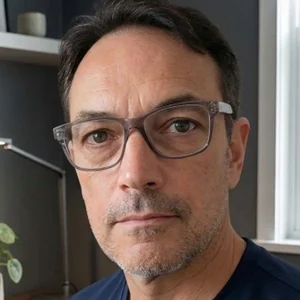
Fernando Debernardi is an Argentine designer. He created Seabottles in 2011 and relaunched it in 2026, rebuilding it from the ground up by directing artificial intelligence. It's a real-world case of a non-programmer building a product that's live in production. He lives in Buenos Aires and gives interviews in Spanish.
The Seabottles presentation
Seventeen pages on Seabottles: how it works, what people write, what strangers write back, and where it came from. Data as of October 6, 2026. The presentation is in Spanish.
Downloadable images
Free for press use, with credit to Seabottles. Each image downloads on its own, in high quality, with its button. Or get them all in two files: phone screenshots, logo, and portrait (21.9 MB) and computer screenshots and photos (11.5 MB). The notes included in the files are in Spanish.
App screenshots
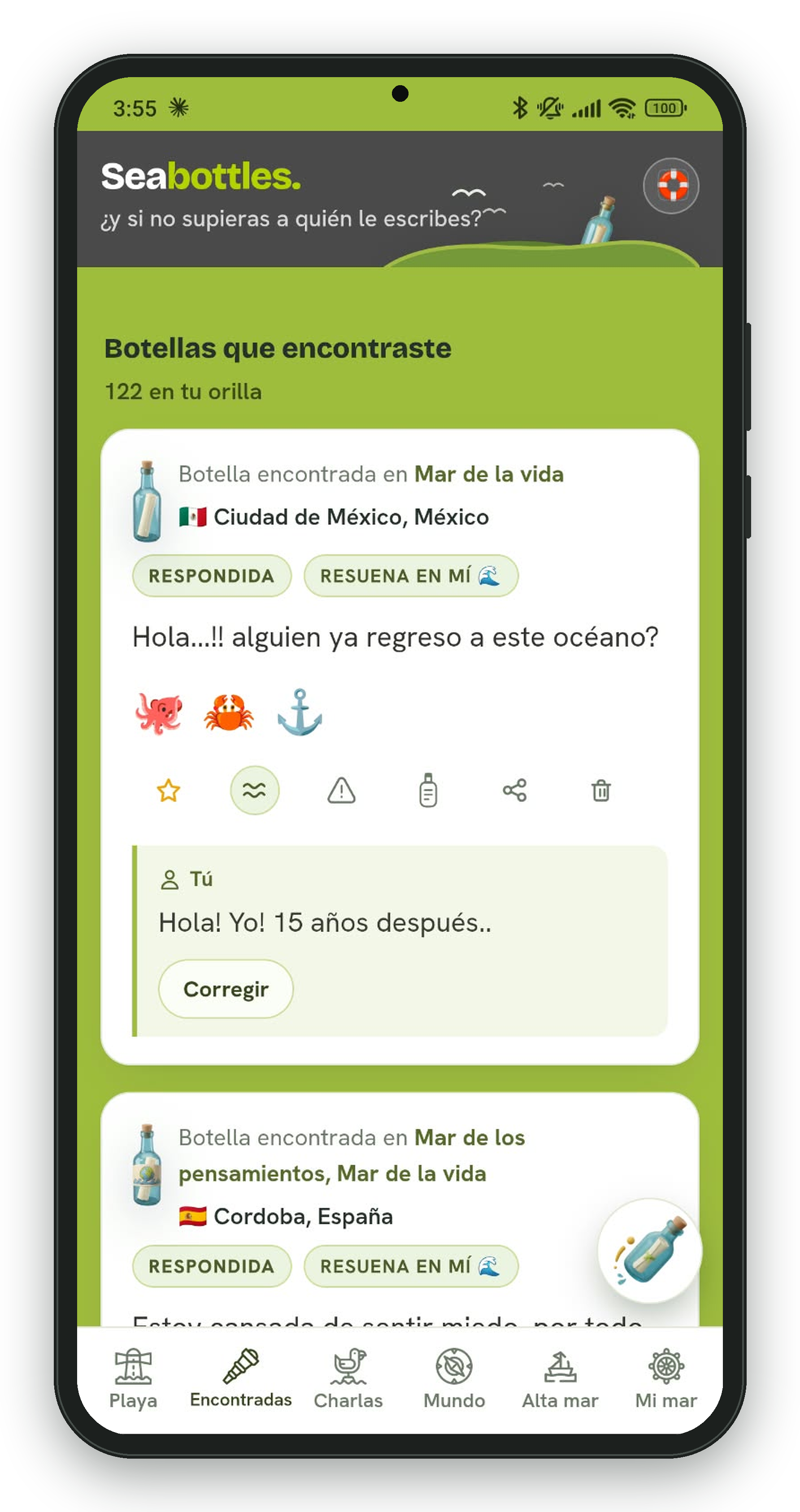
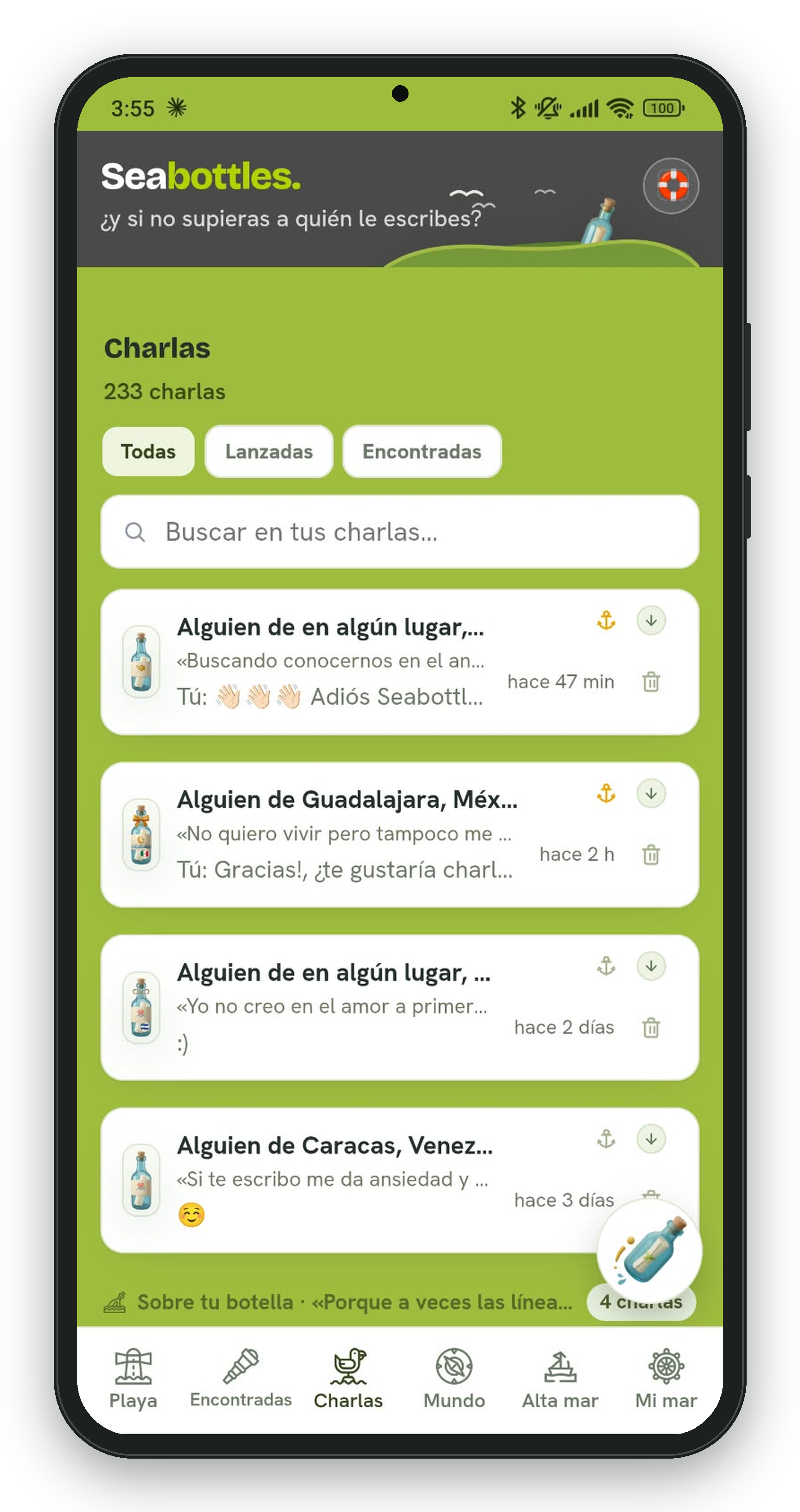
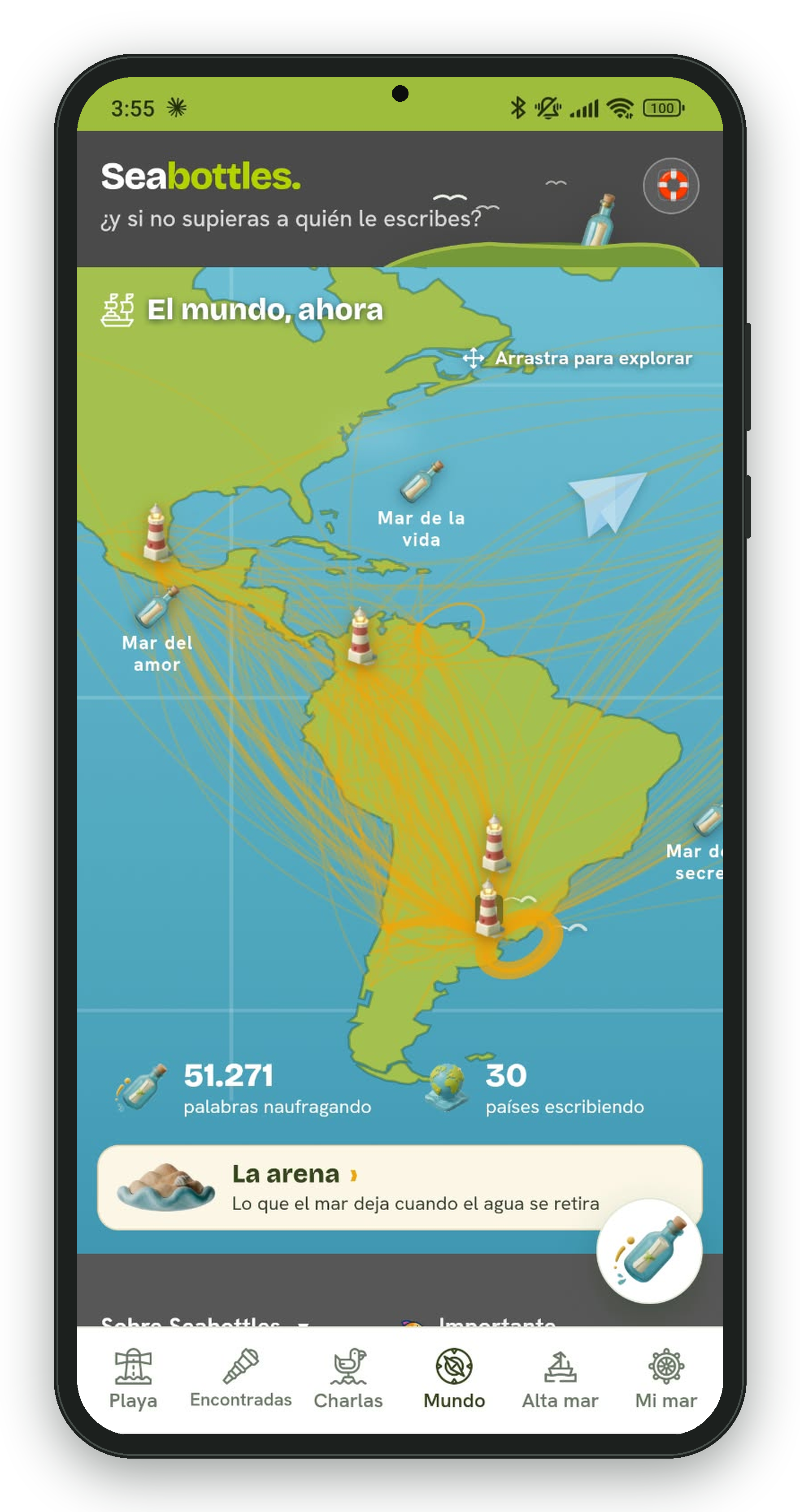
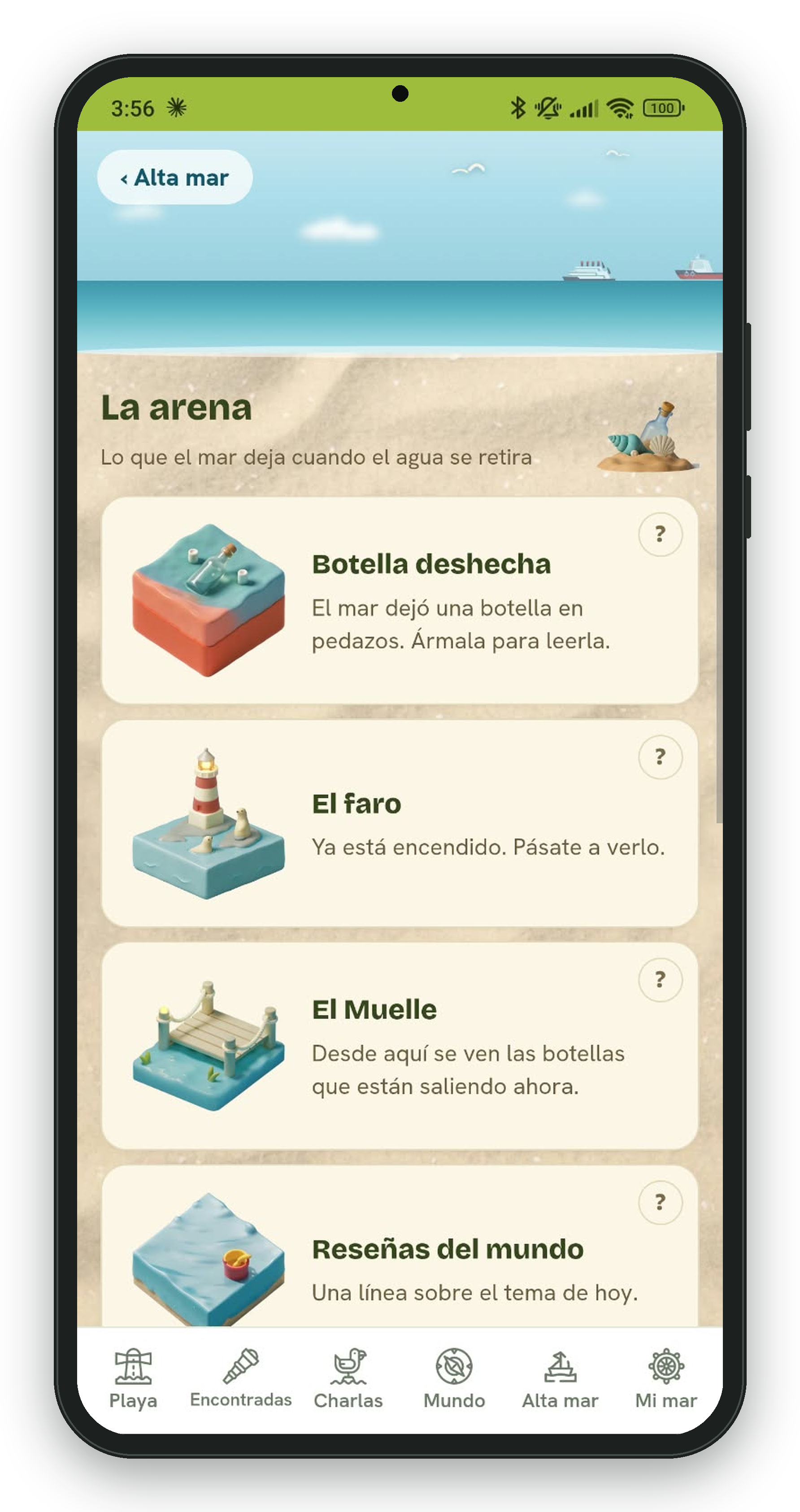
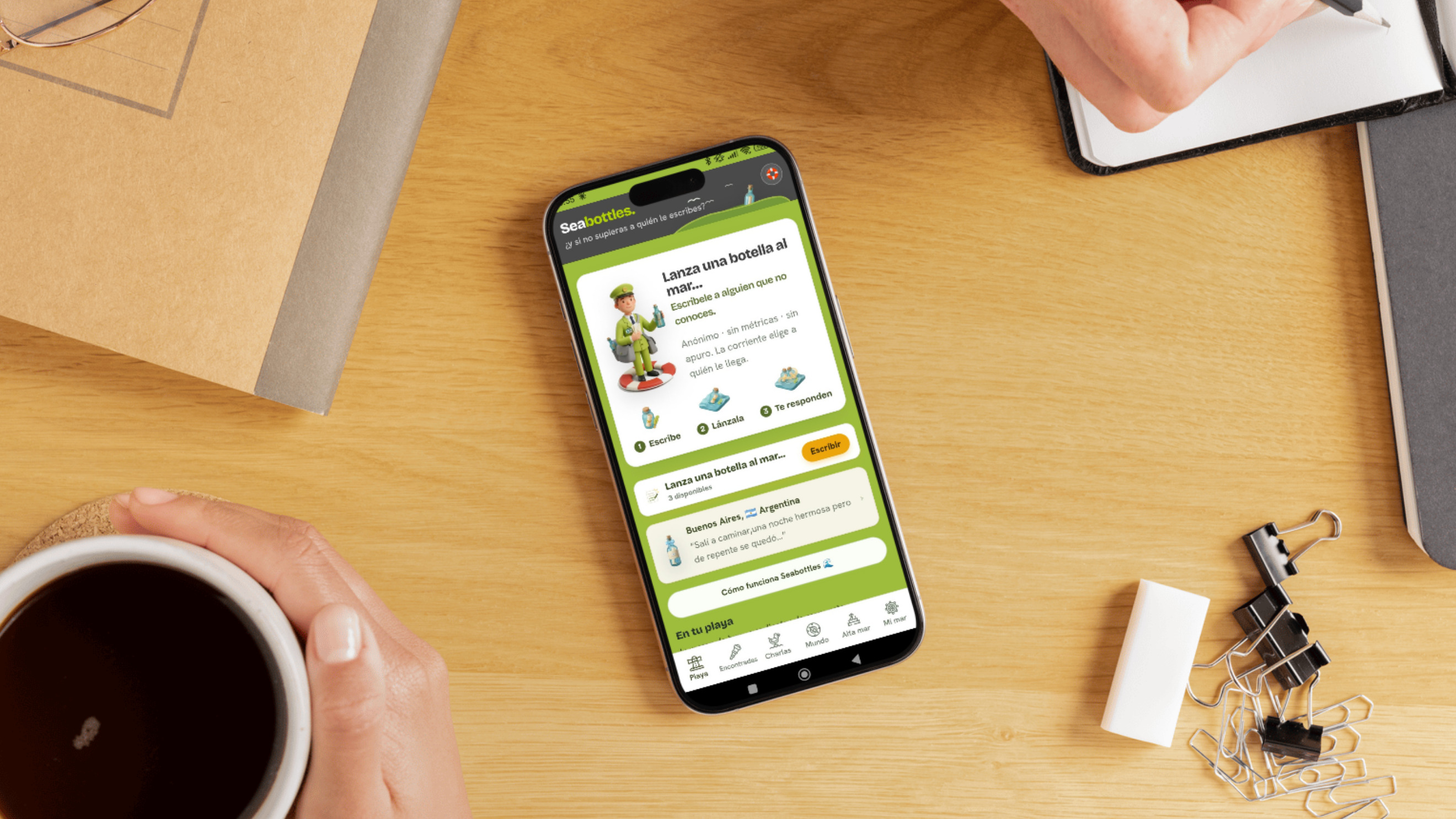
Twelve screens from the real app, in use, on a phone. The texts you see were written by people, without names, like everything in Seabottles. The app is shown in Spanish.
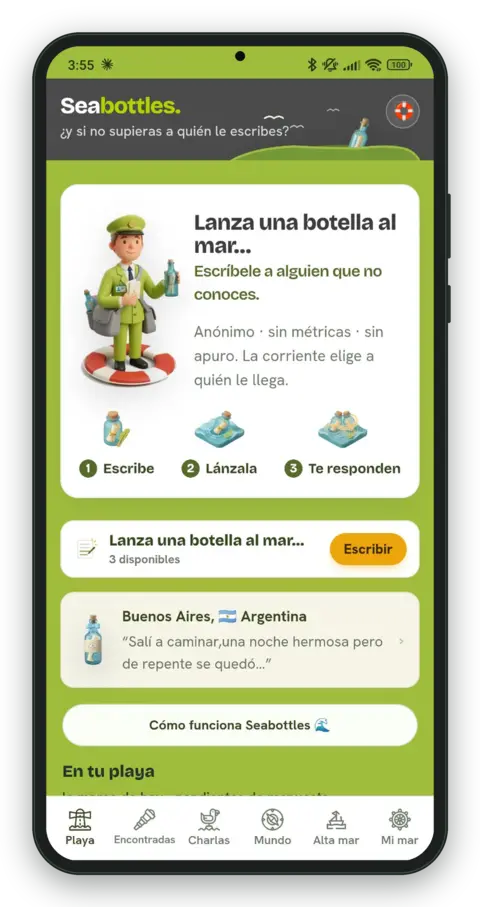 ShoreDownloadPNG · 1.9 MB
1784 × 3372 px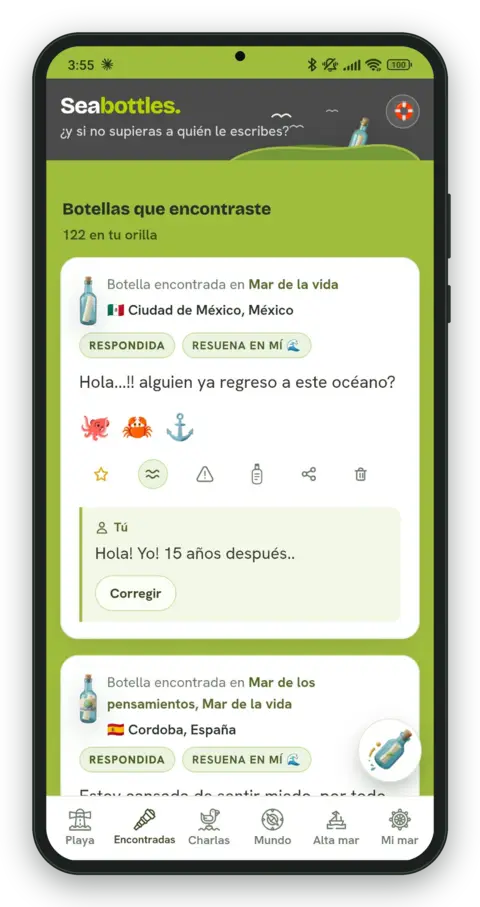 FoundDownloadPNG · 1.7 MB
1784 × 3372 px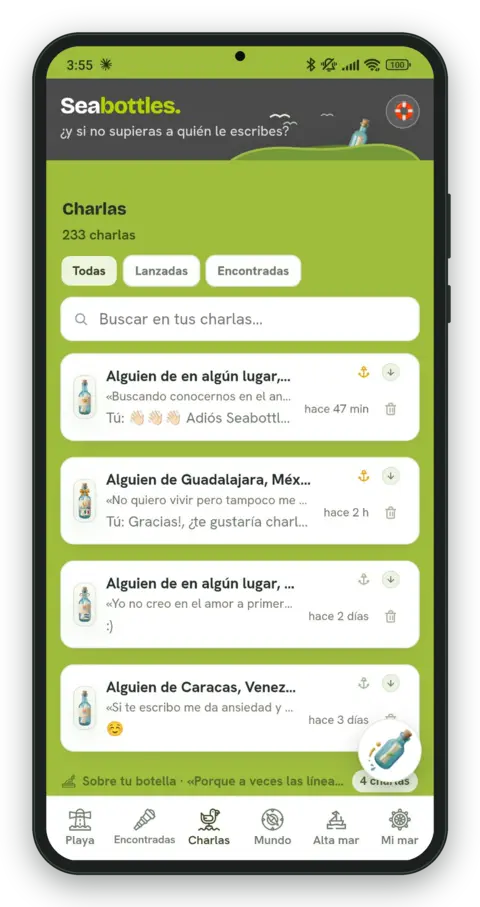 ChatsDownloadPNG · 1.8 MB
1784 × 3372 px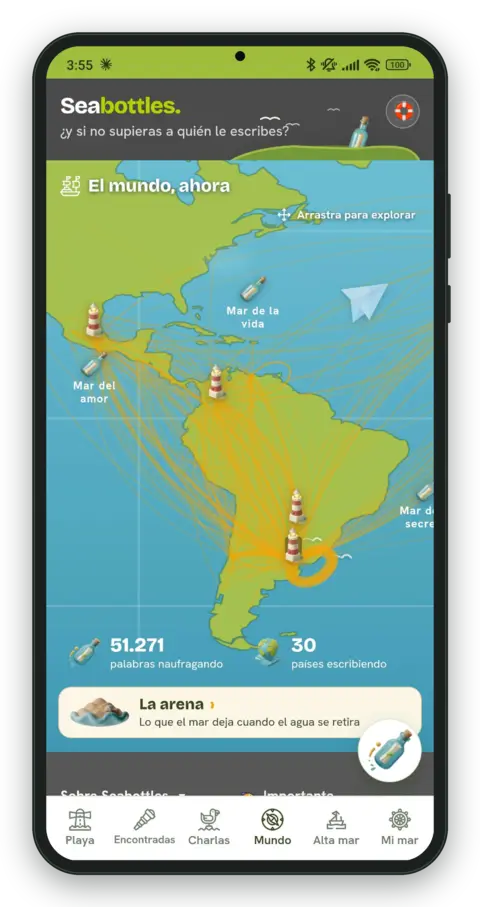 The world, right nowDownloadPNG · 2.8 MB
1784 × 3372 px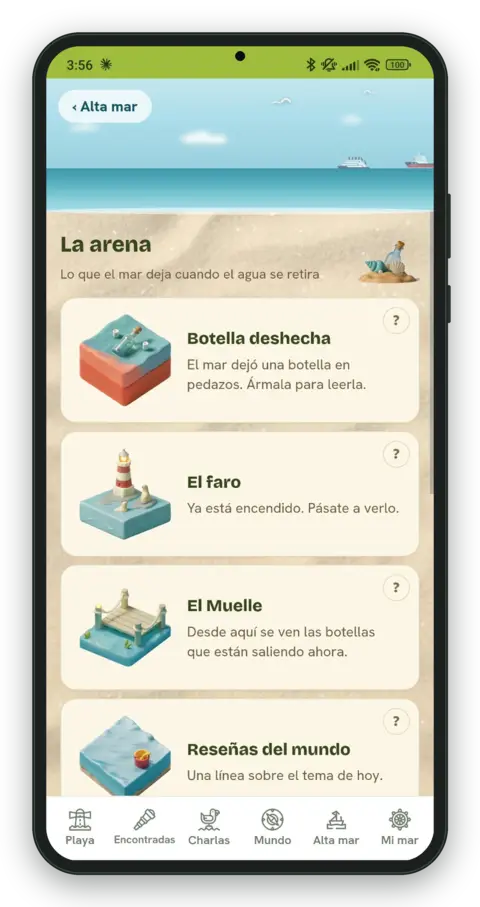 The SandDownloadPNG · 2.1 MB
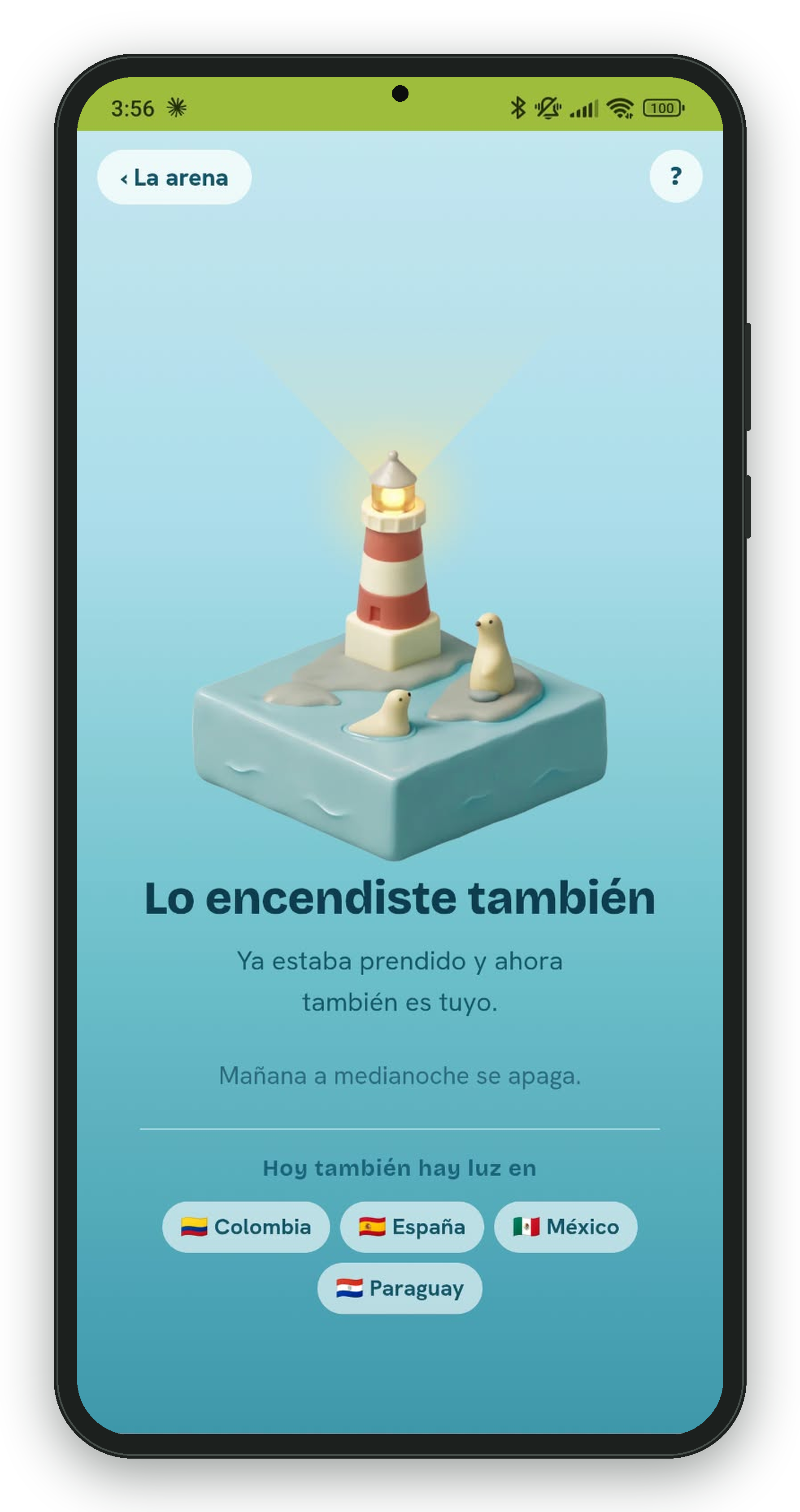
1784 × 3372 px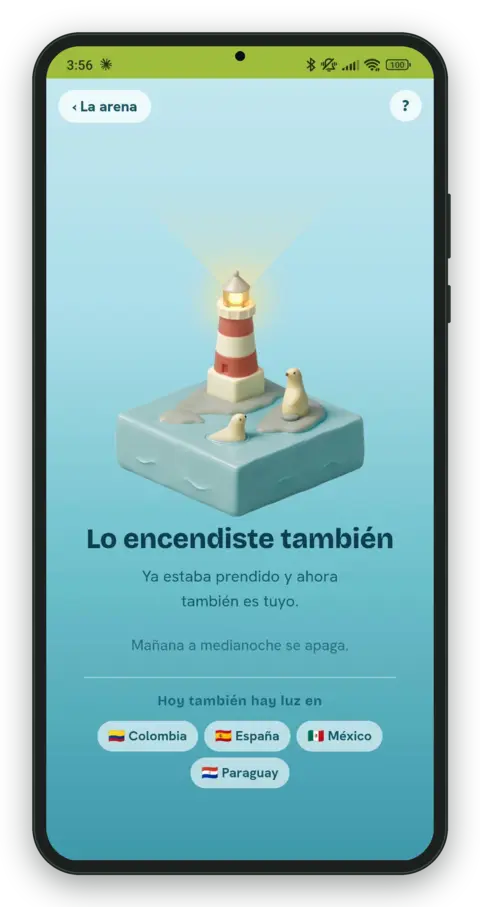 The LighthouseDownloadPNG · 1.1 MB
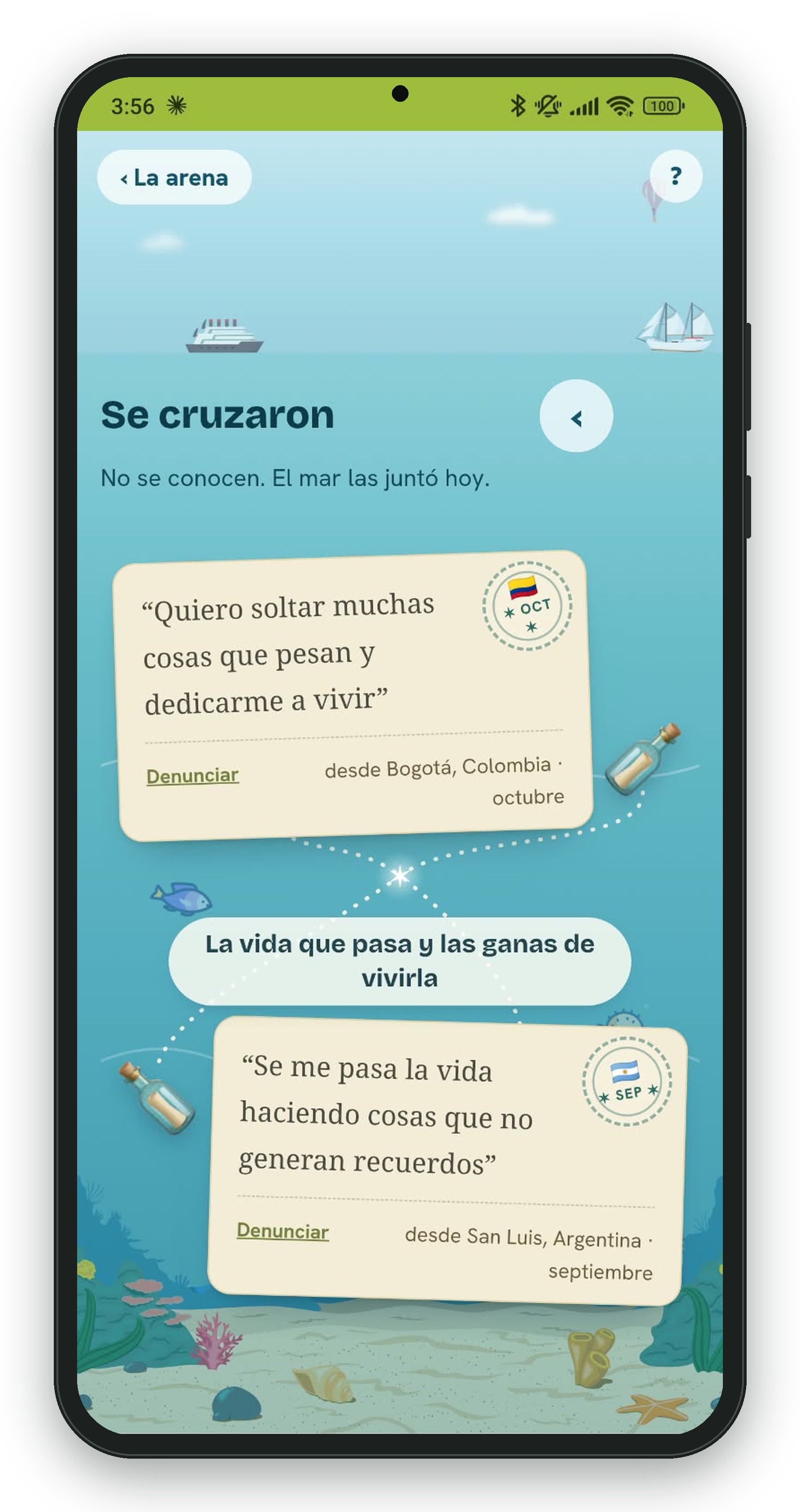
1784 × 3372 px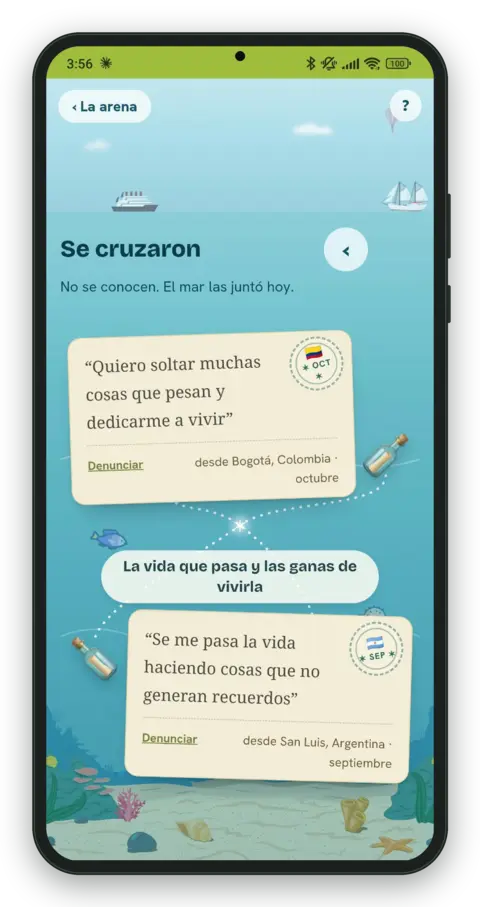 Crossed PathsDownloadPNG · 2.0 MB
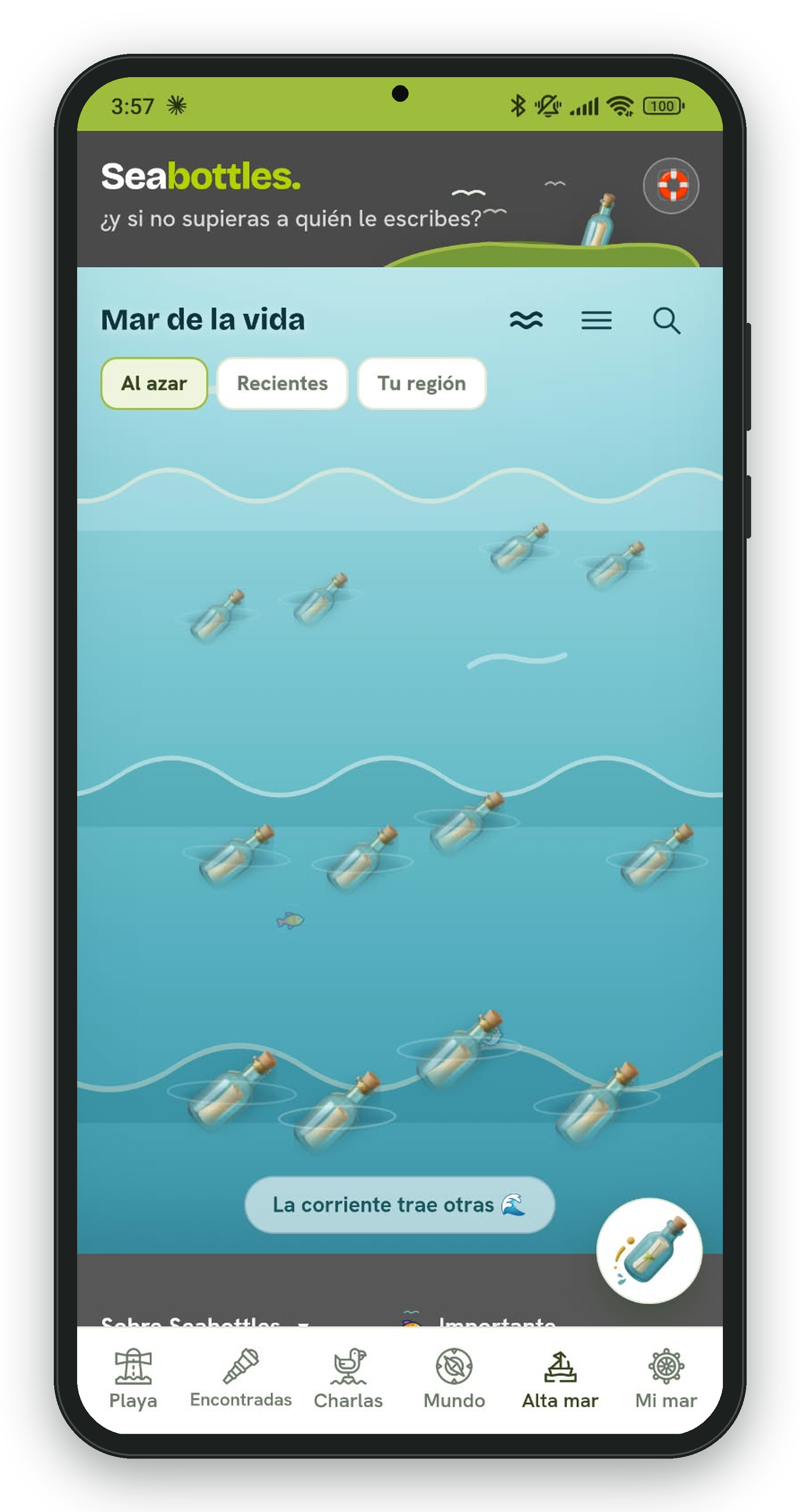
1784 × 3372 px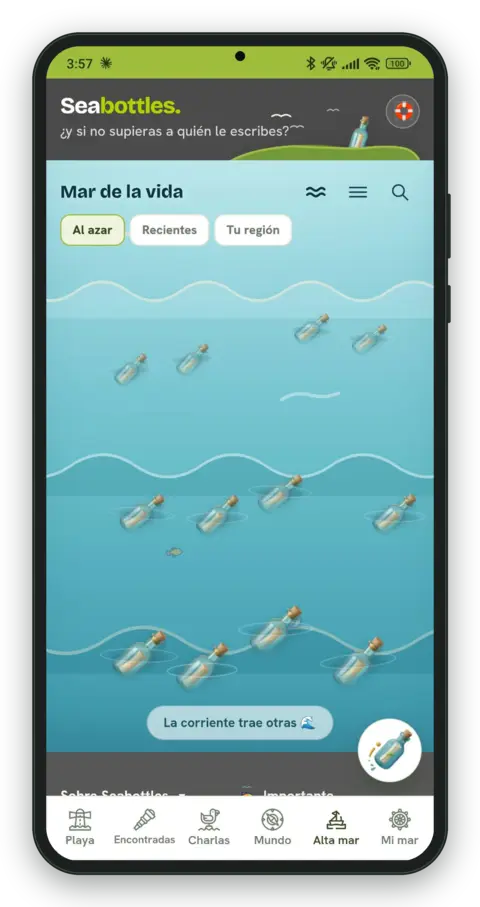 Open SeaDownloadPNG · 1.5 MB
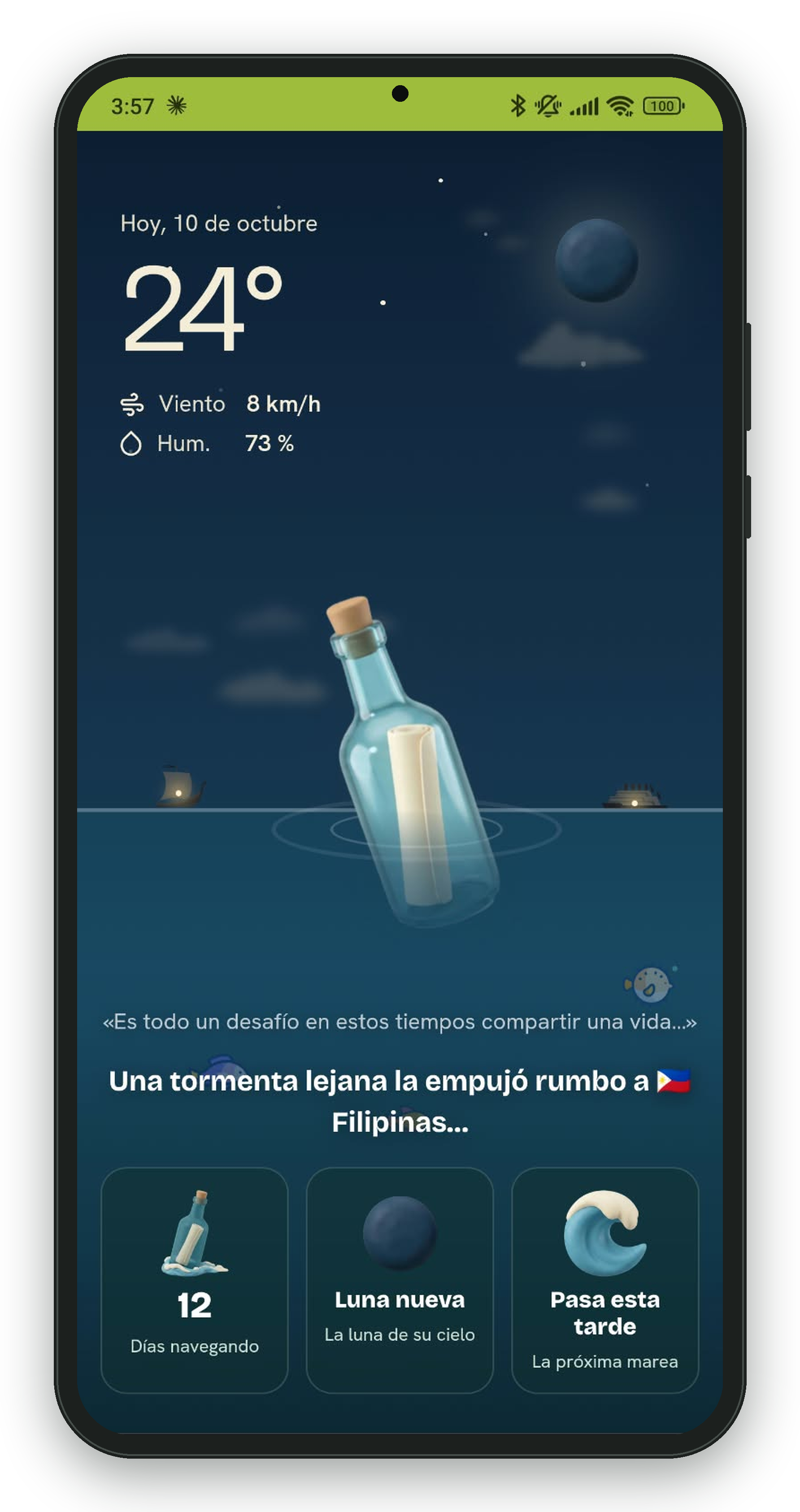
1784 × 3372 px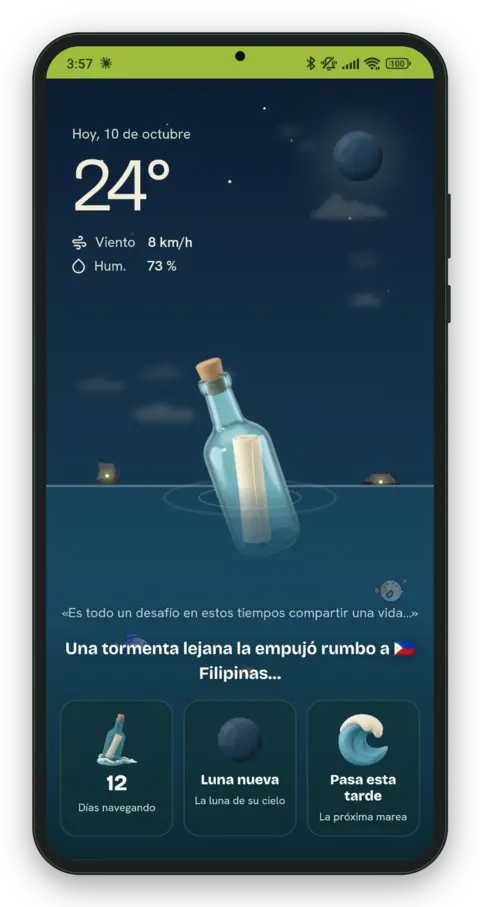 A bottle at sea, at nightDownloadPNG · 1.4 MB
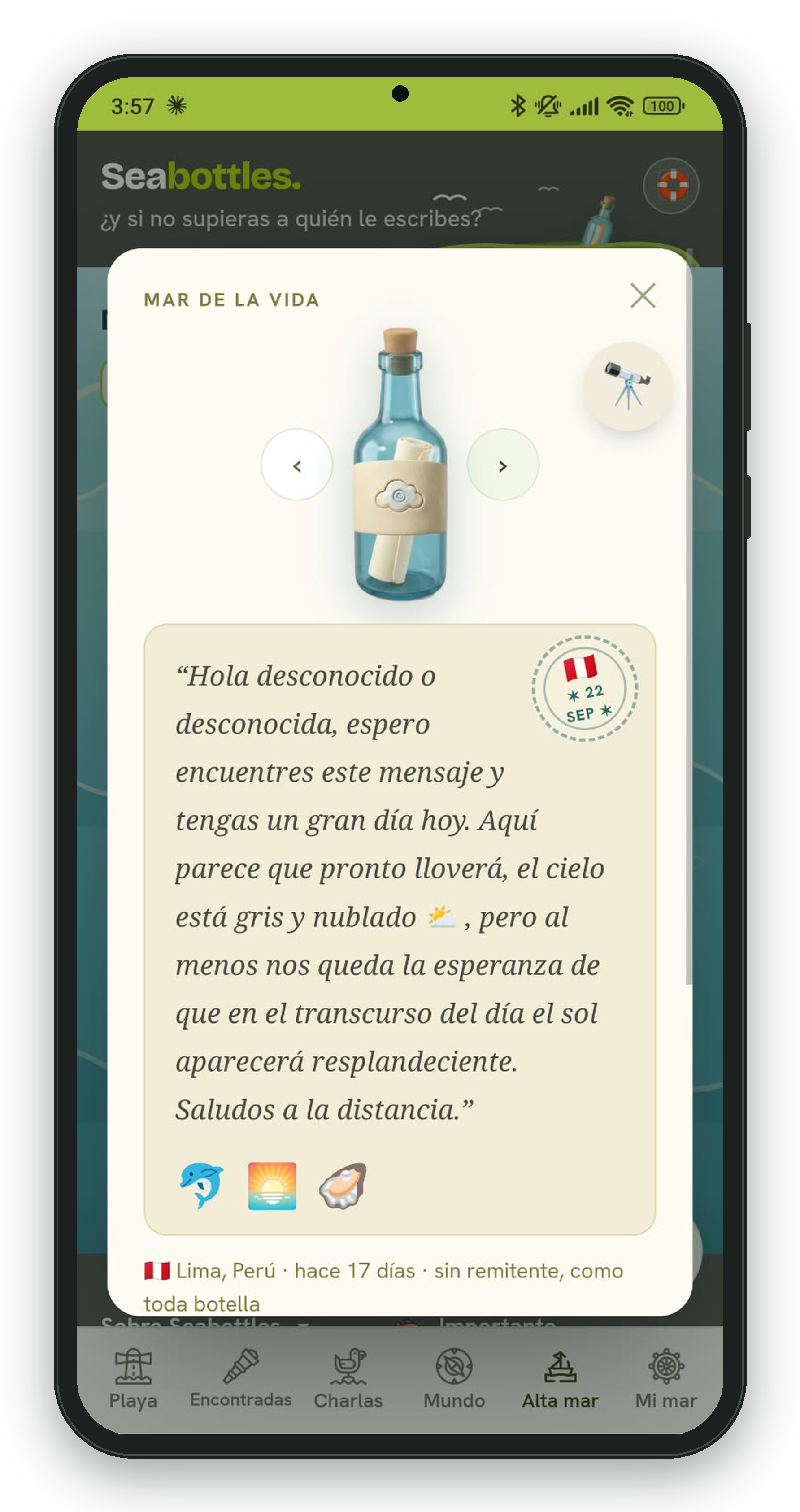
1784 × 3372 px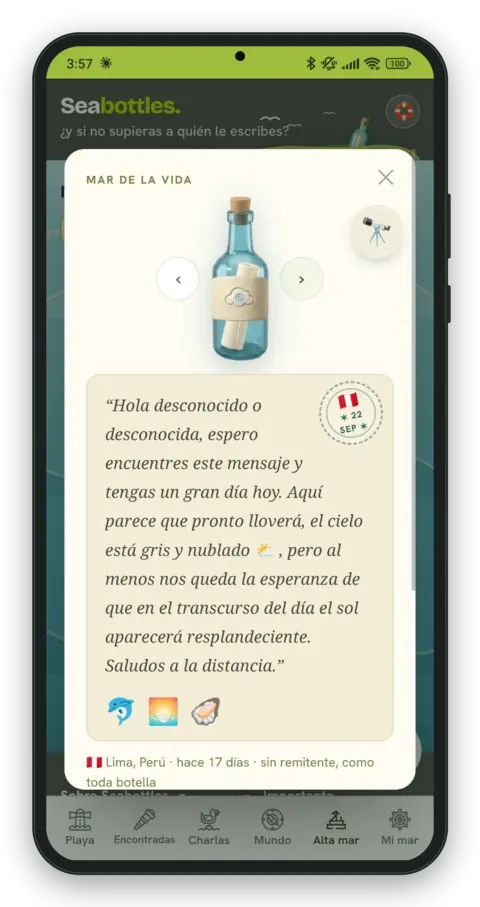 An opened bottleDownloadPNG · 1.9 MB
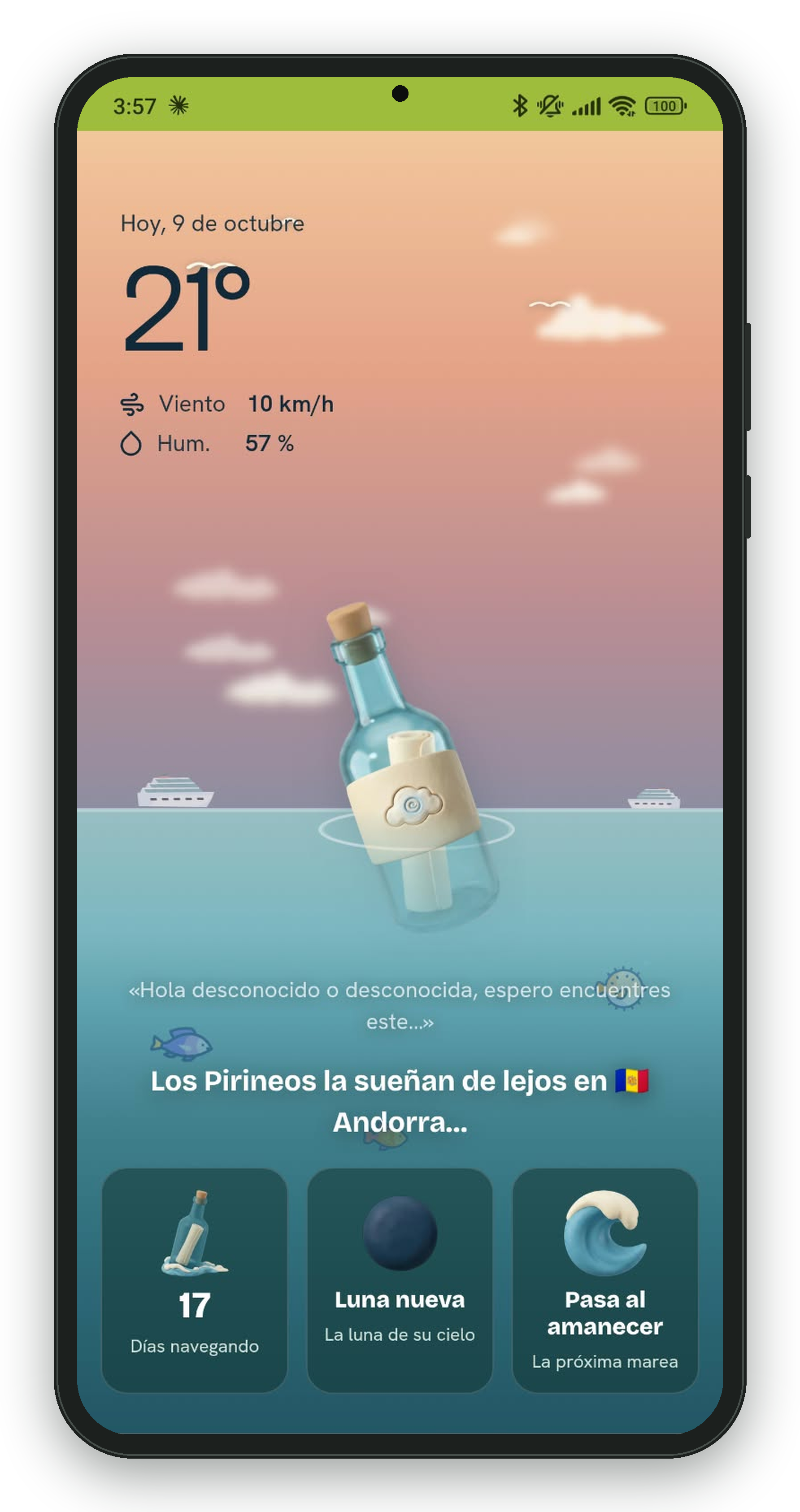
1784 × 3372 px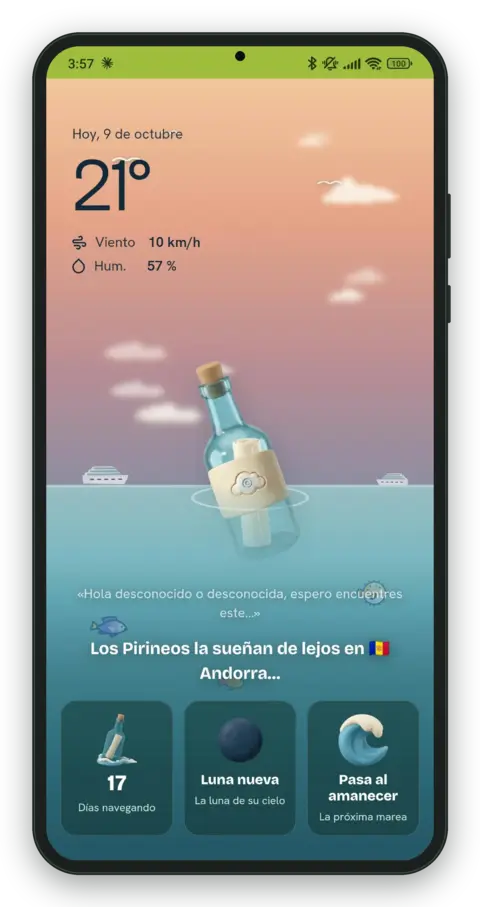 A bottle at sea, by dayDownloadPNG · 1.4 MB
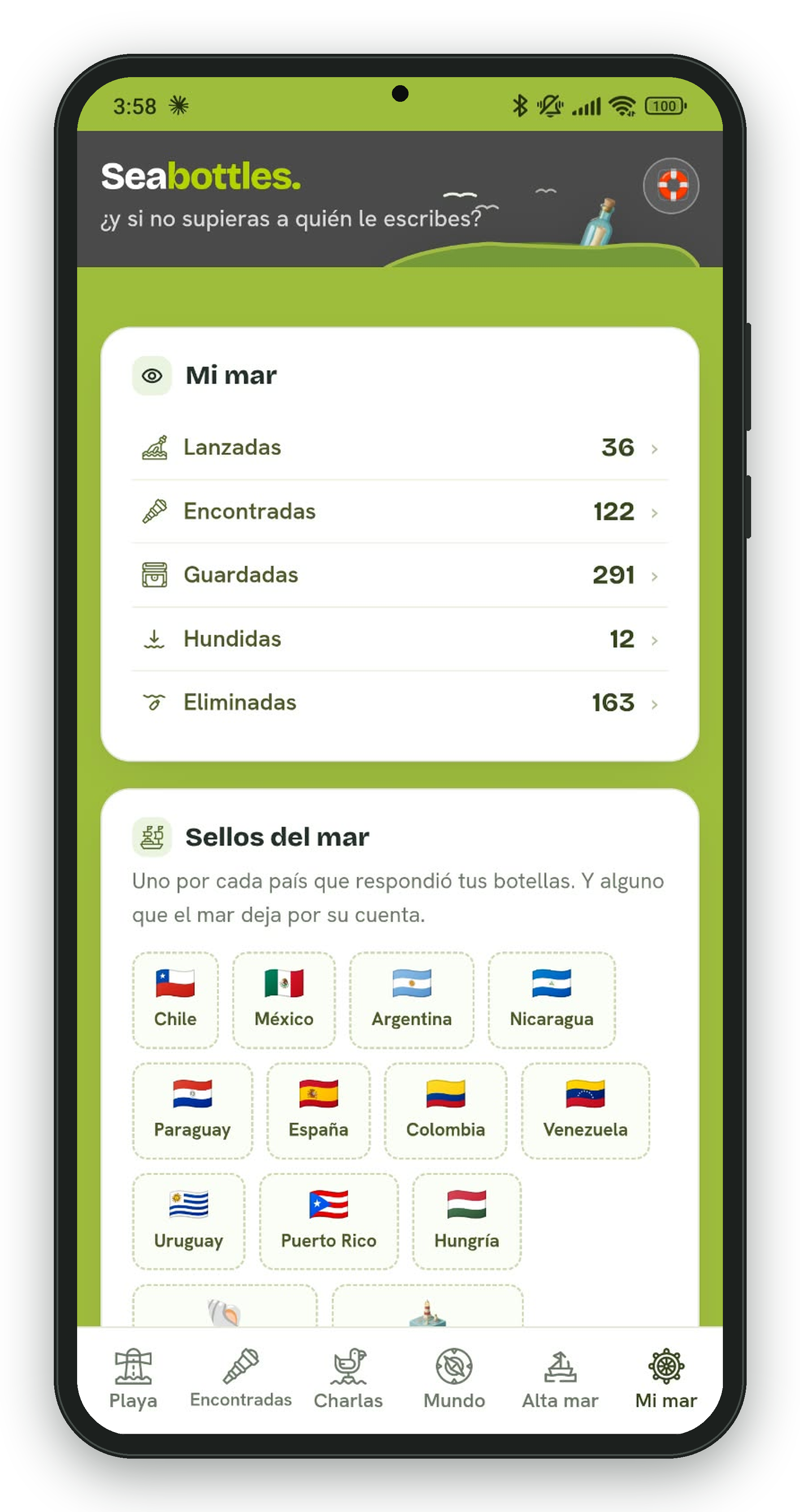
1784 × 3372 px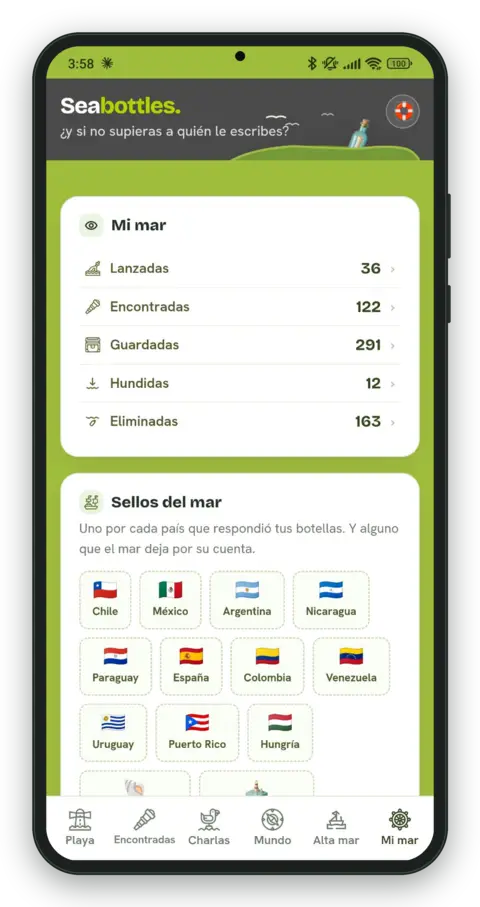 My SeaDownloadPNG · 1.7 MB
1784 × 3372 px
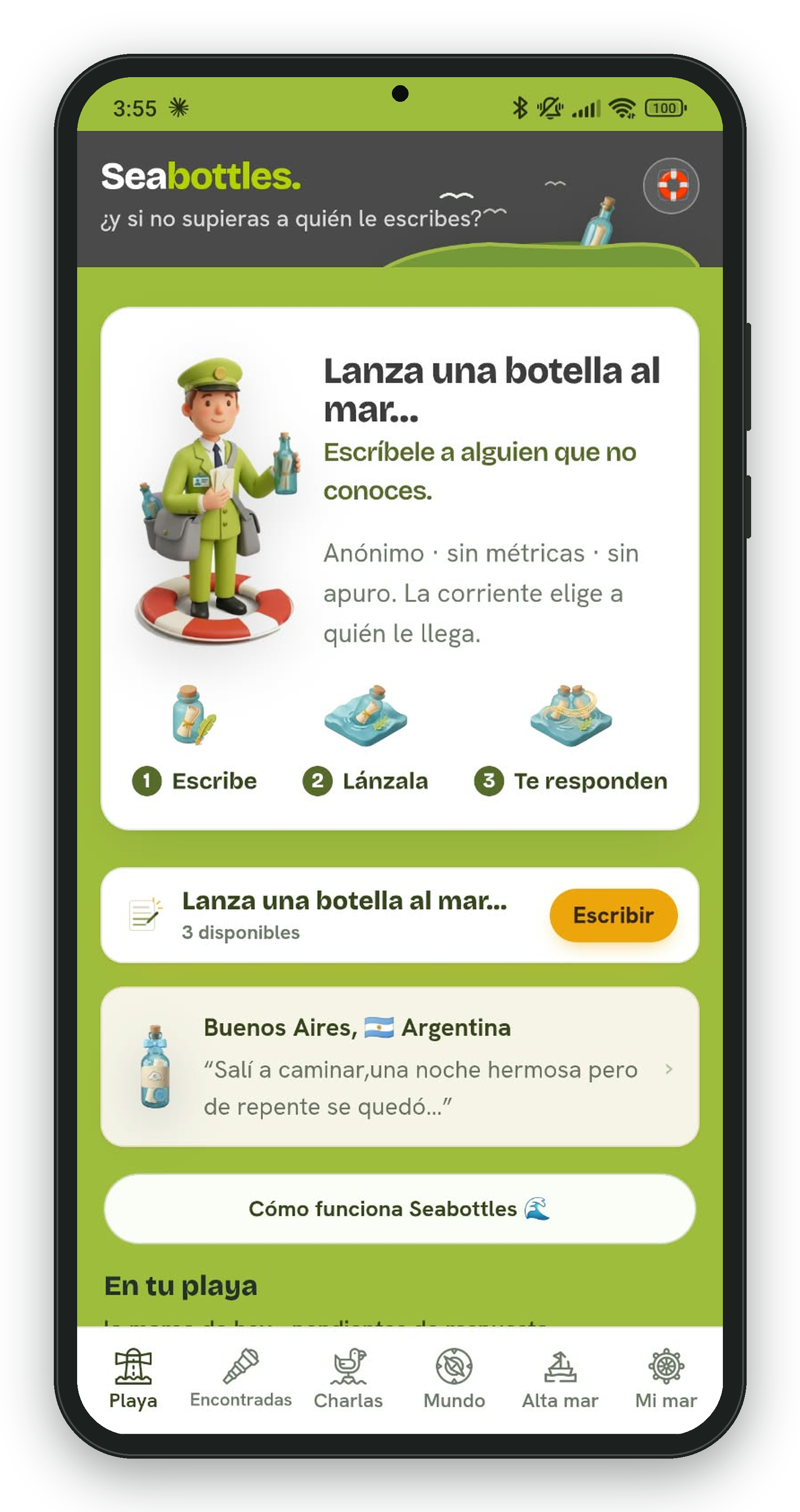
On a computer
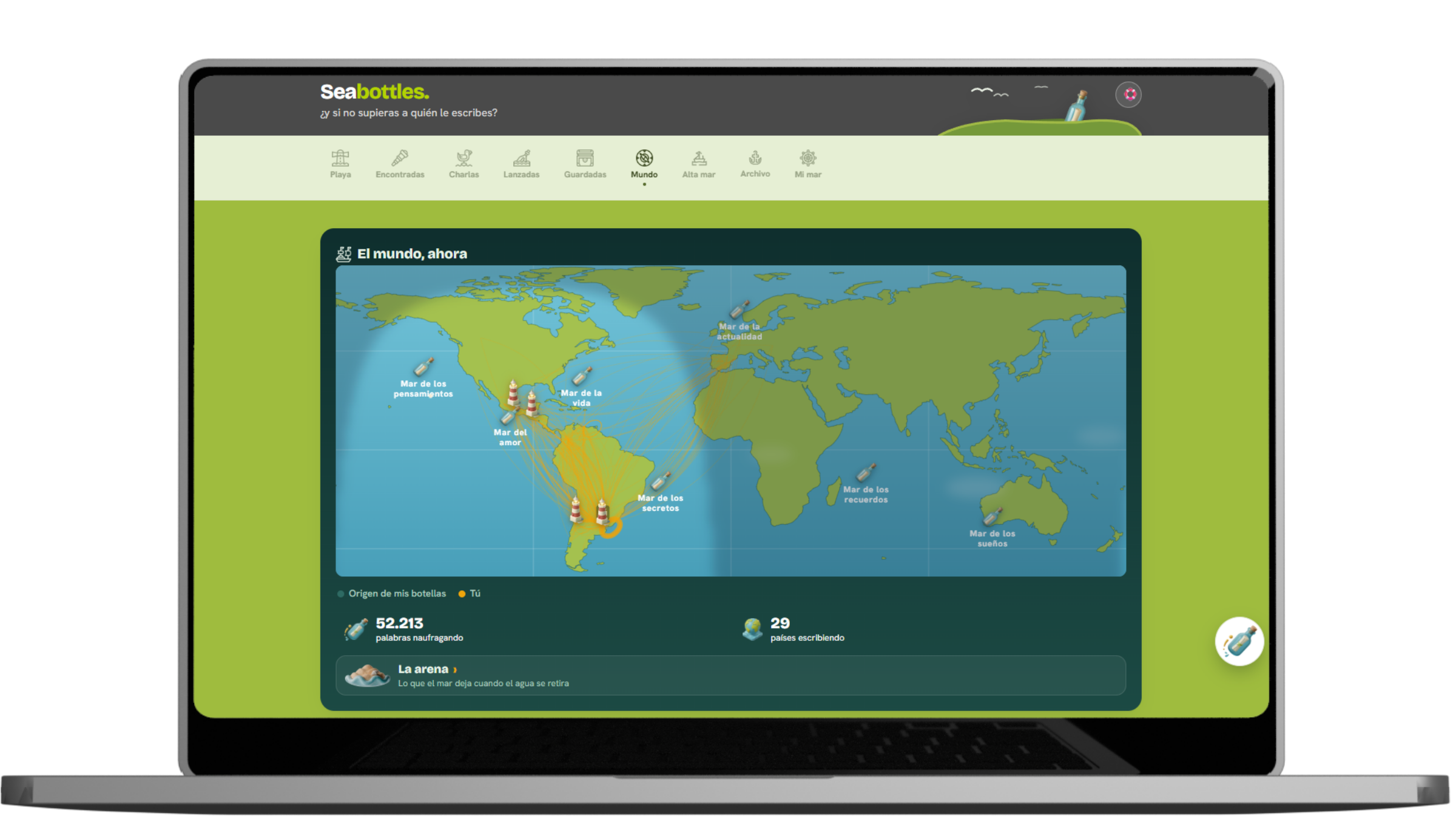
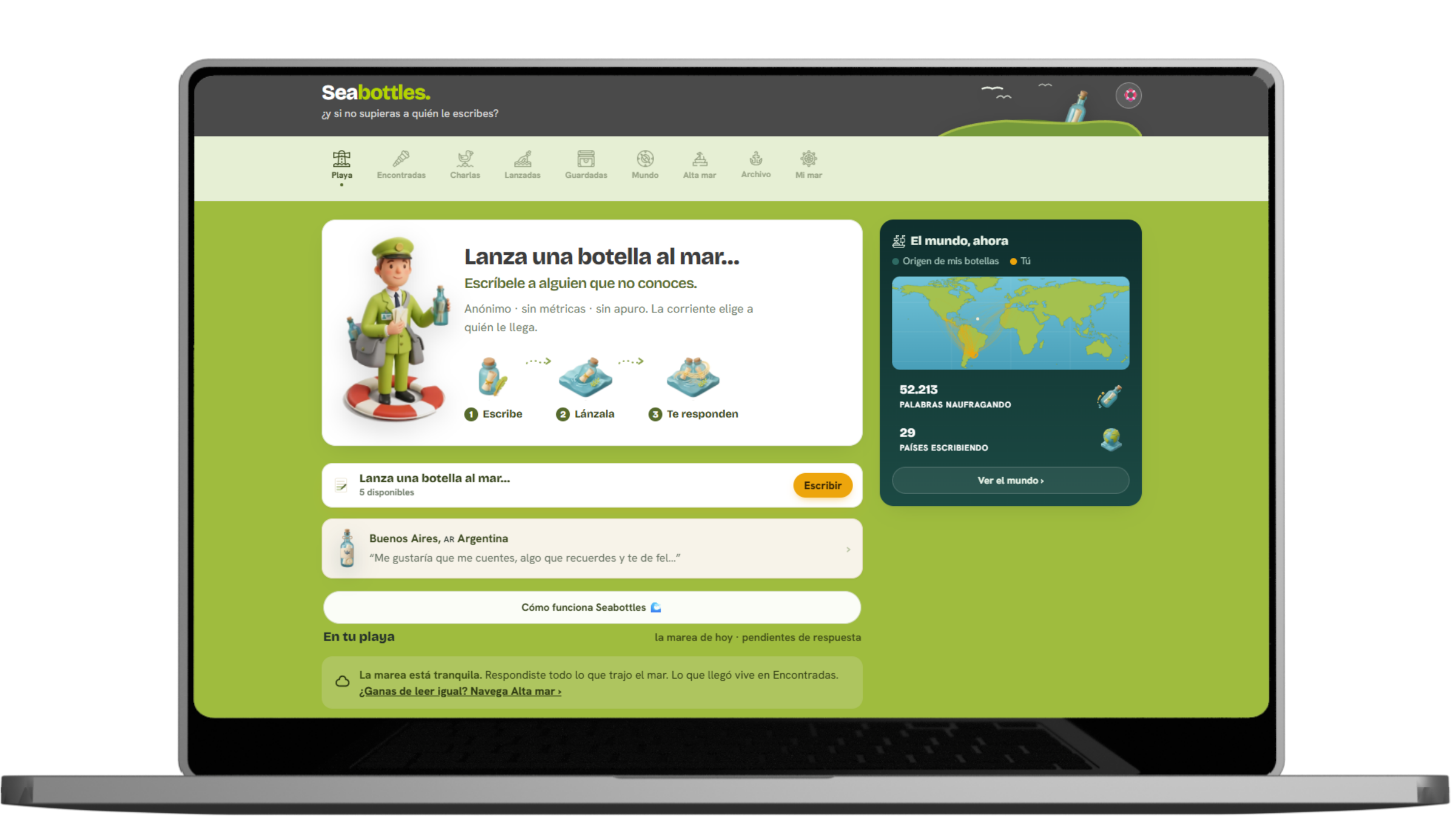
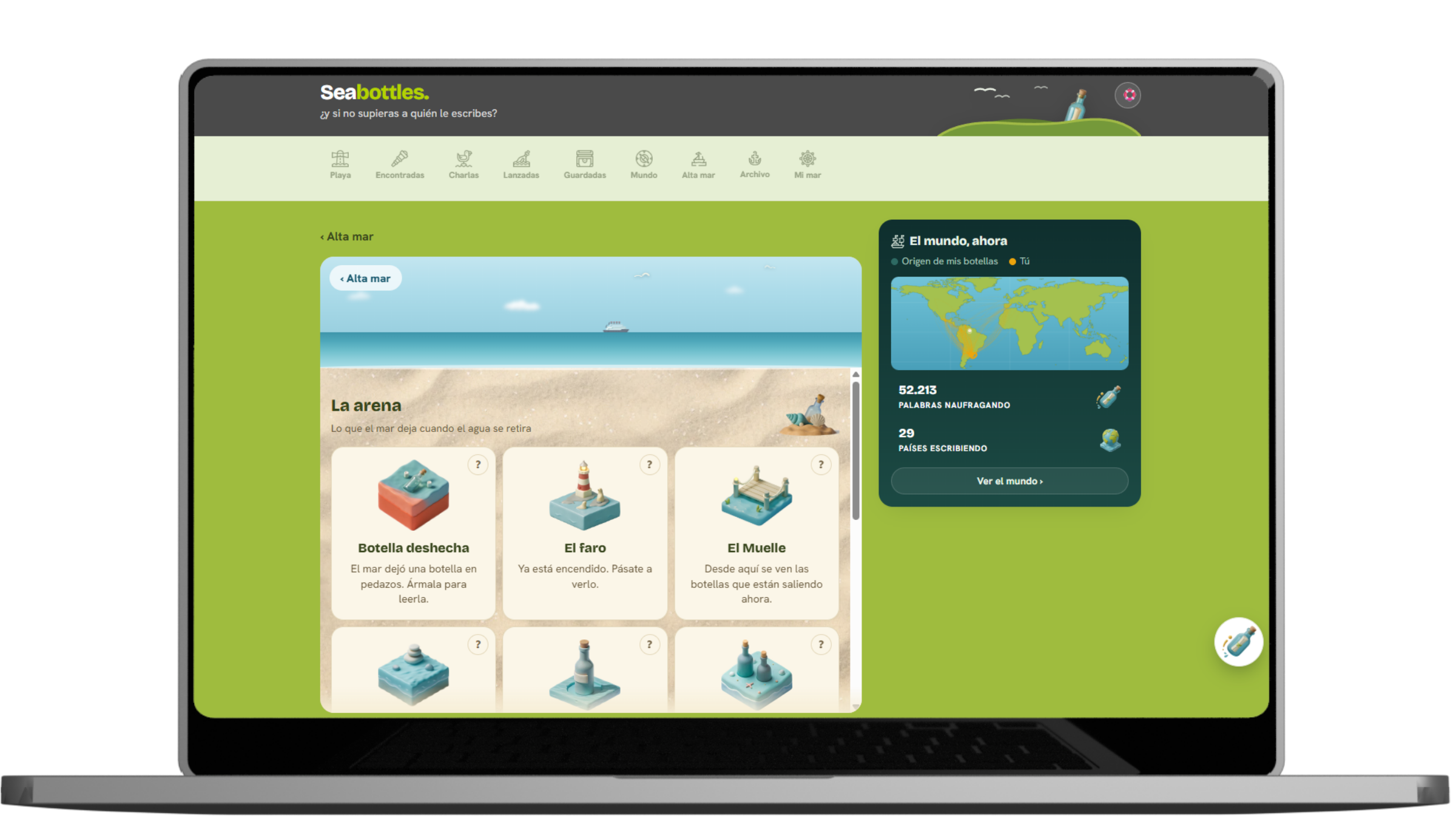
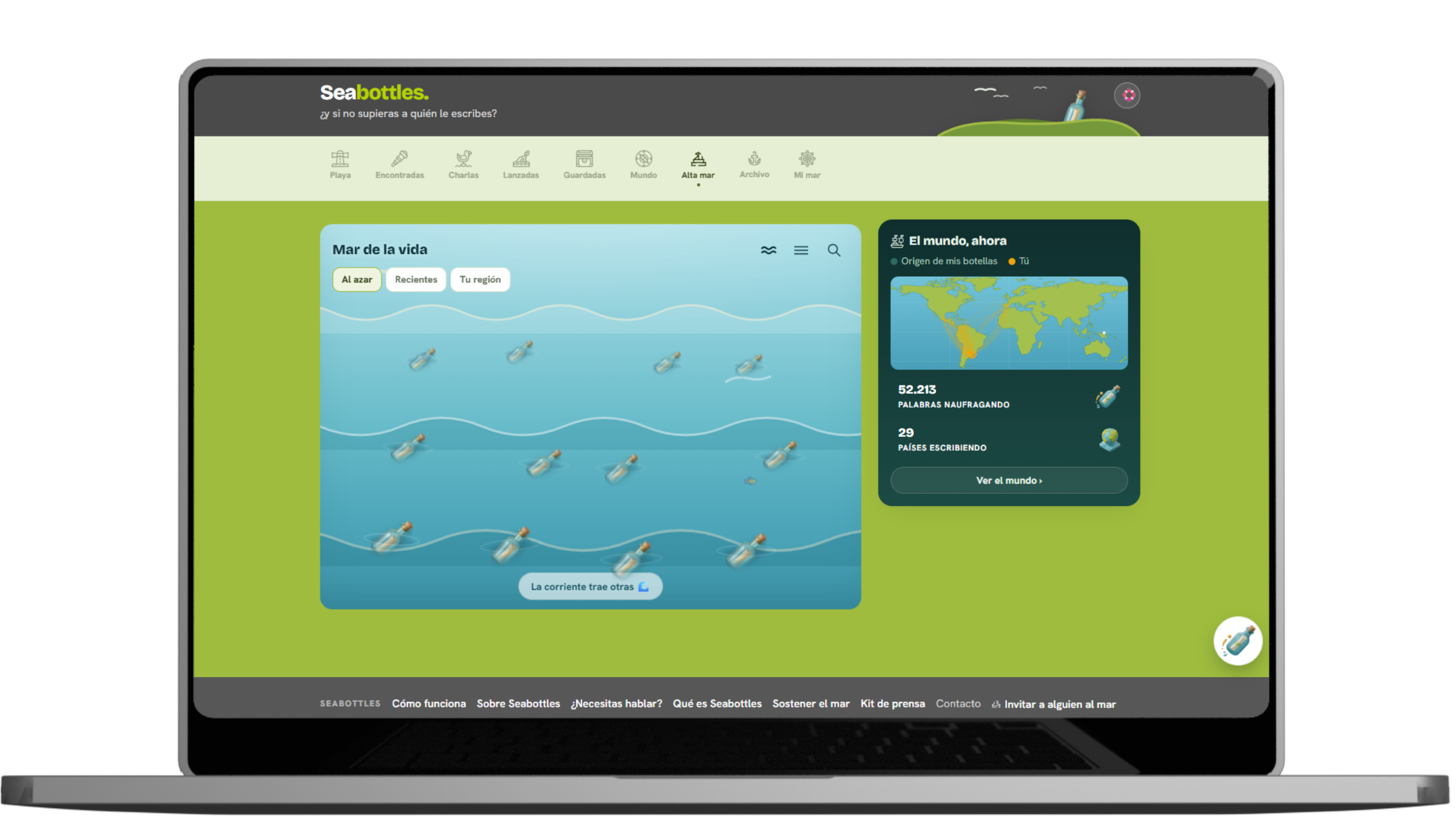
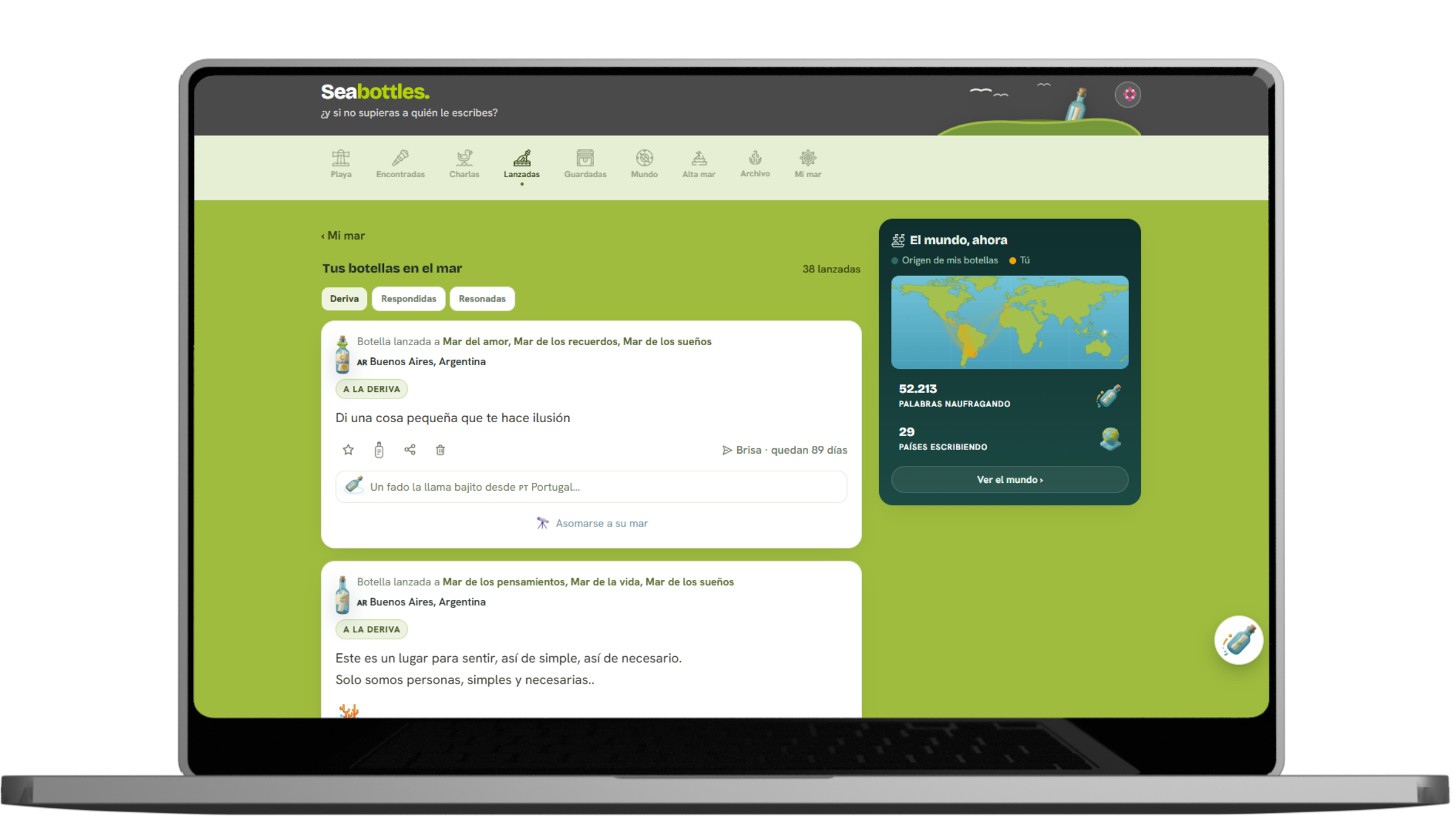
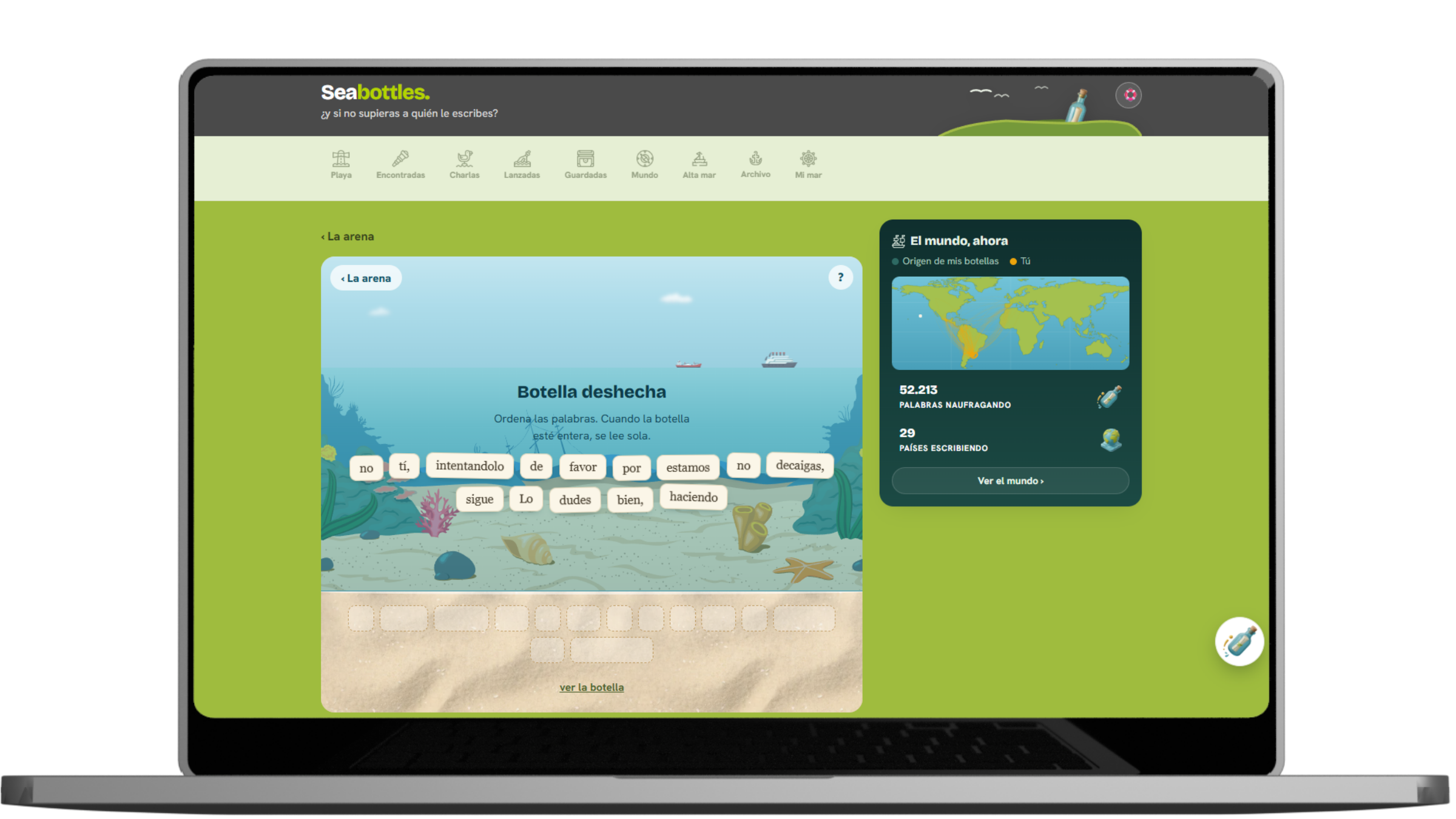
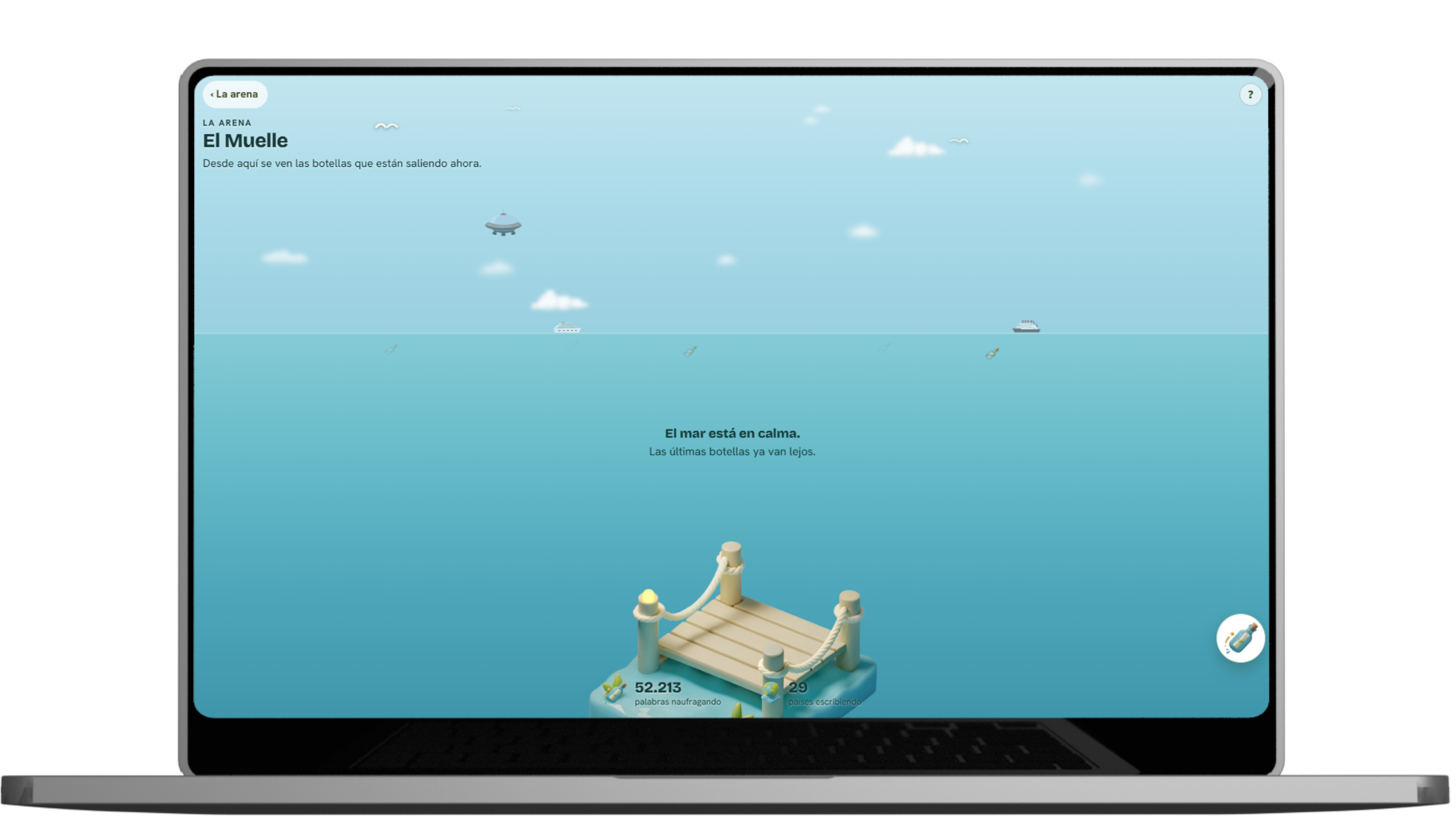
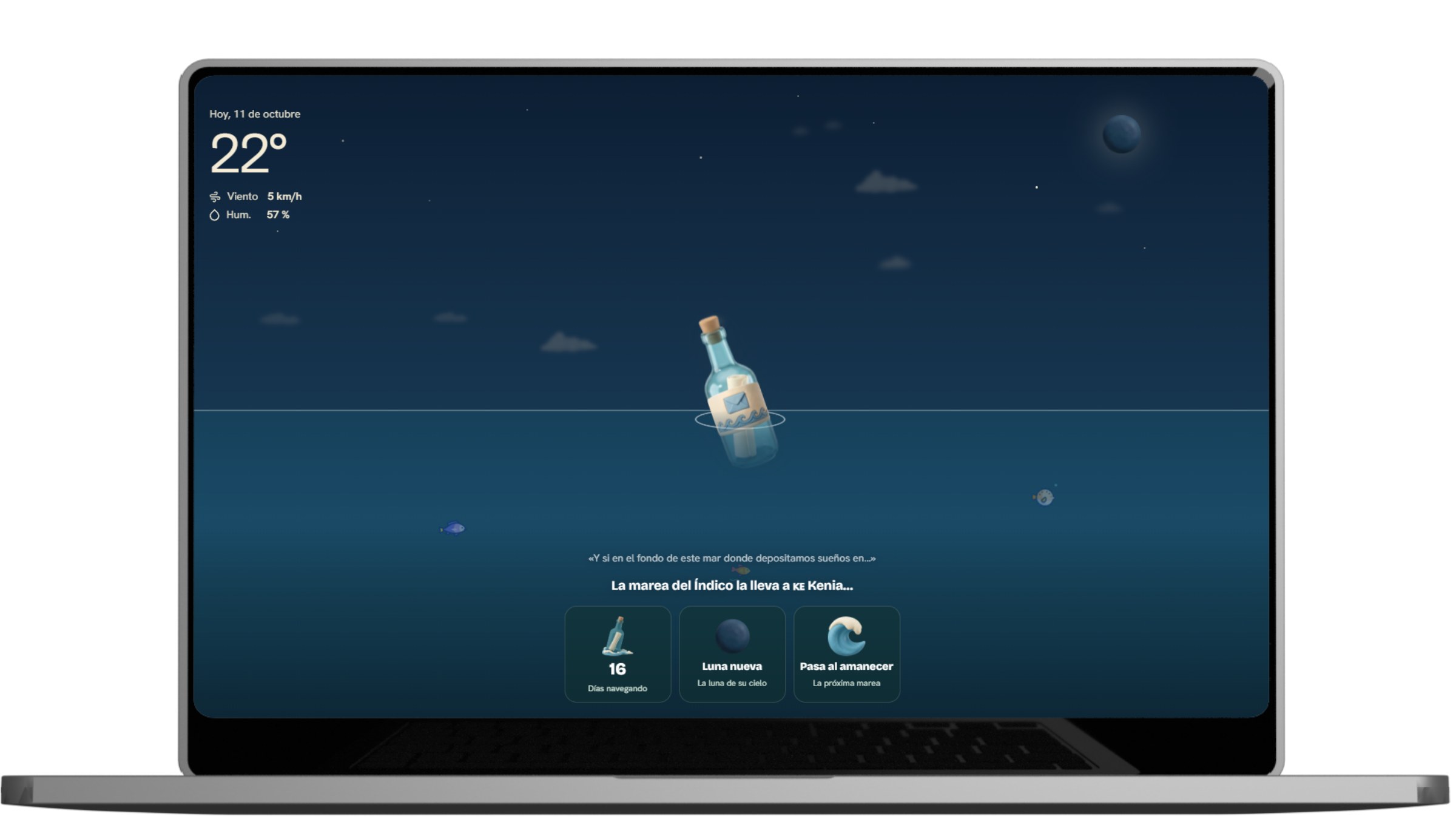
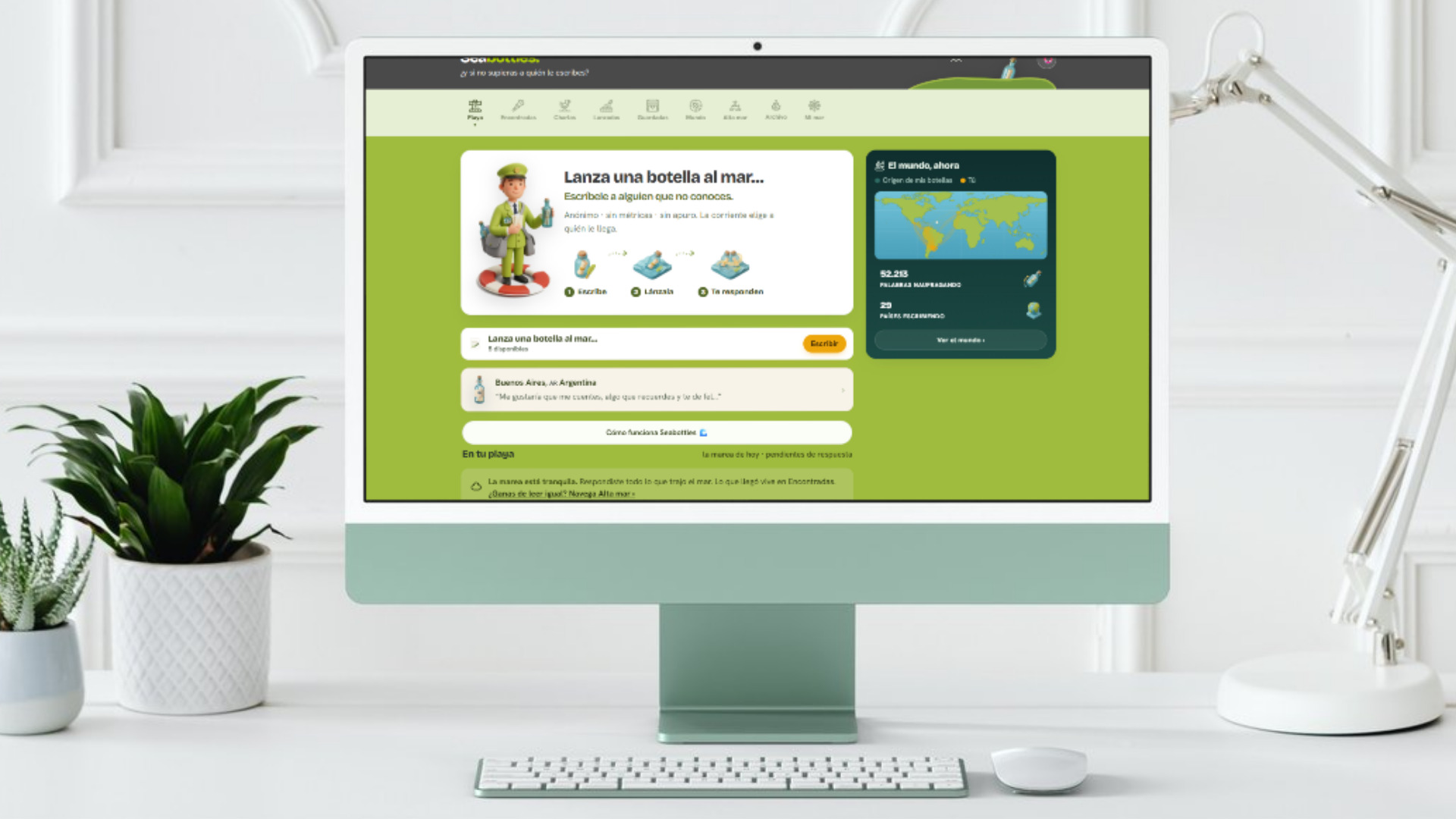
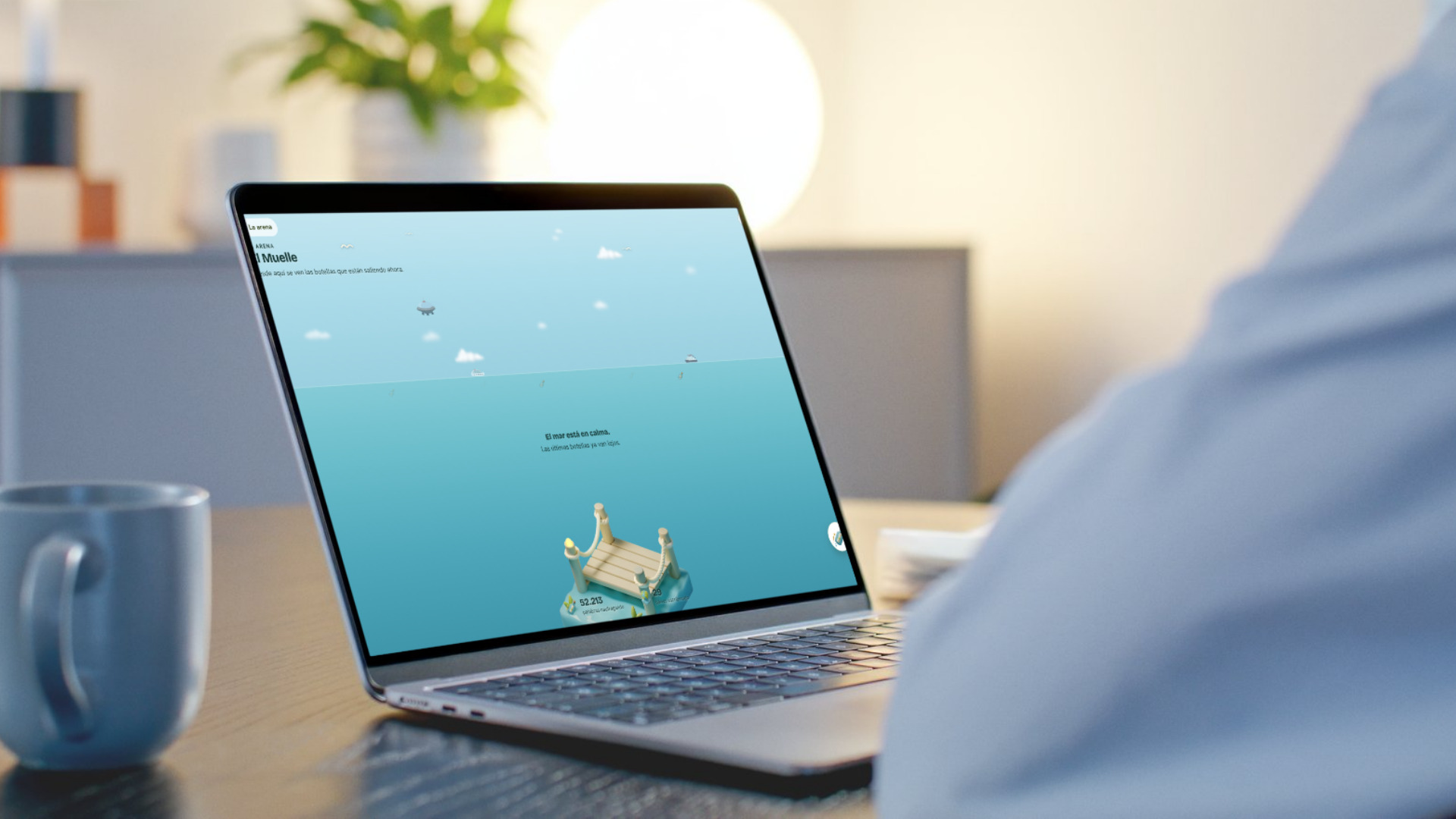
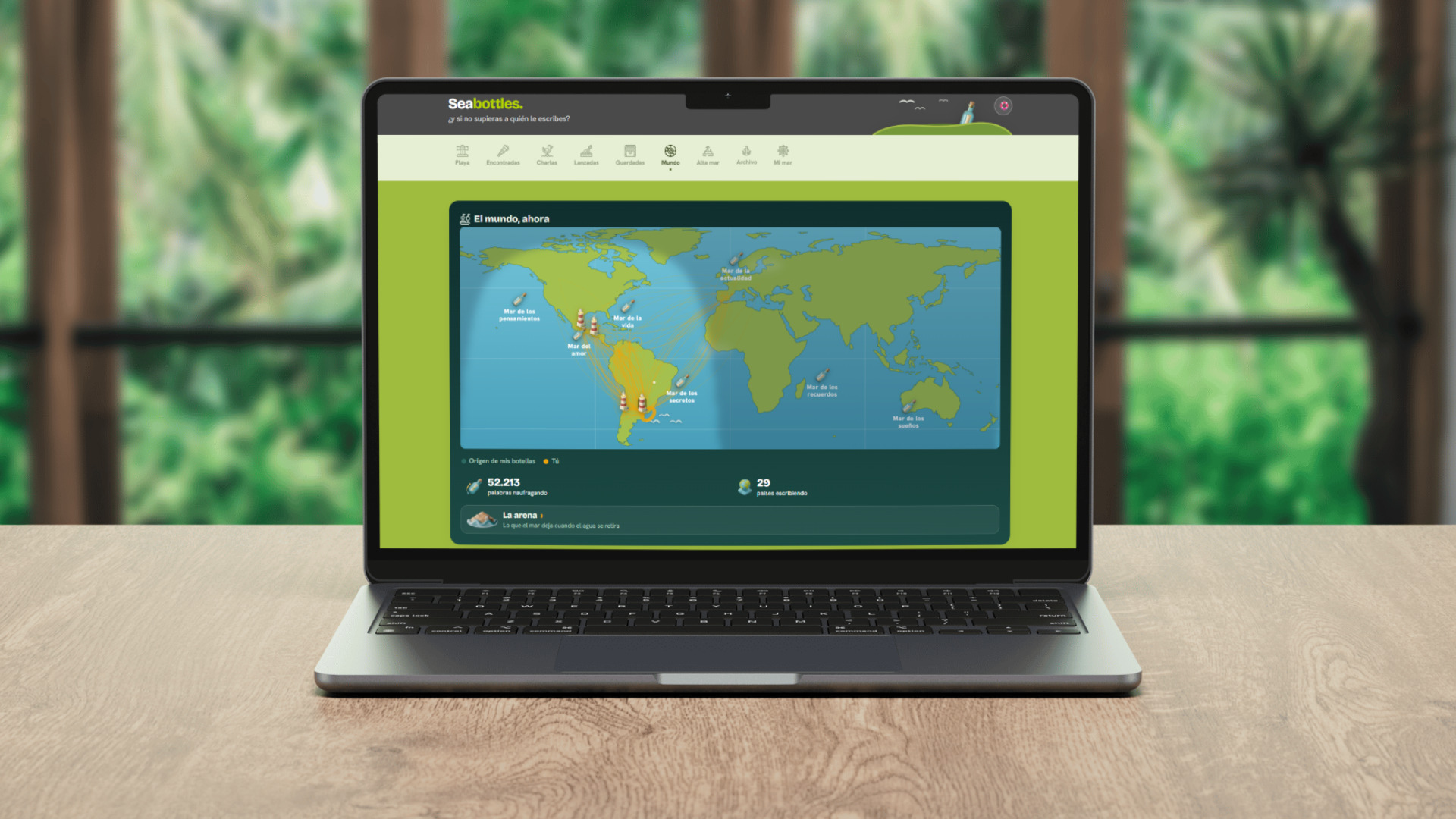
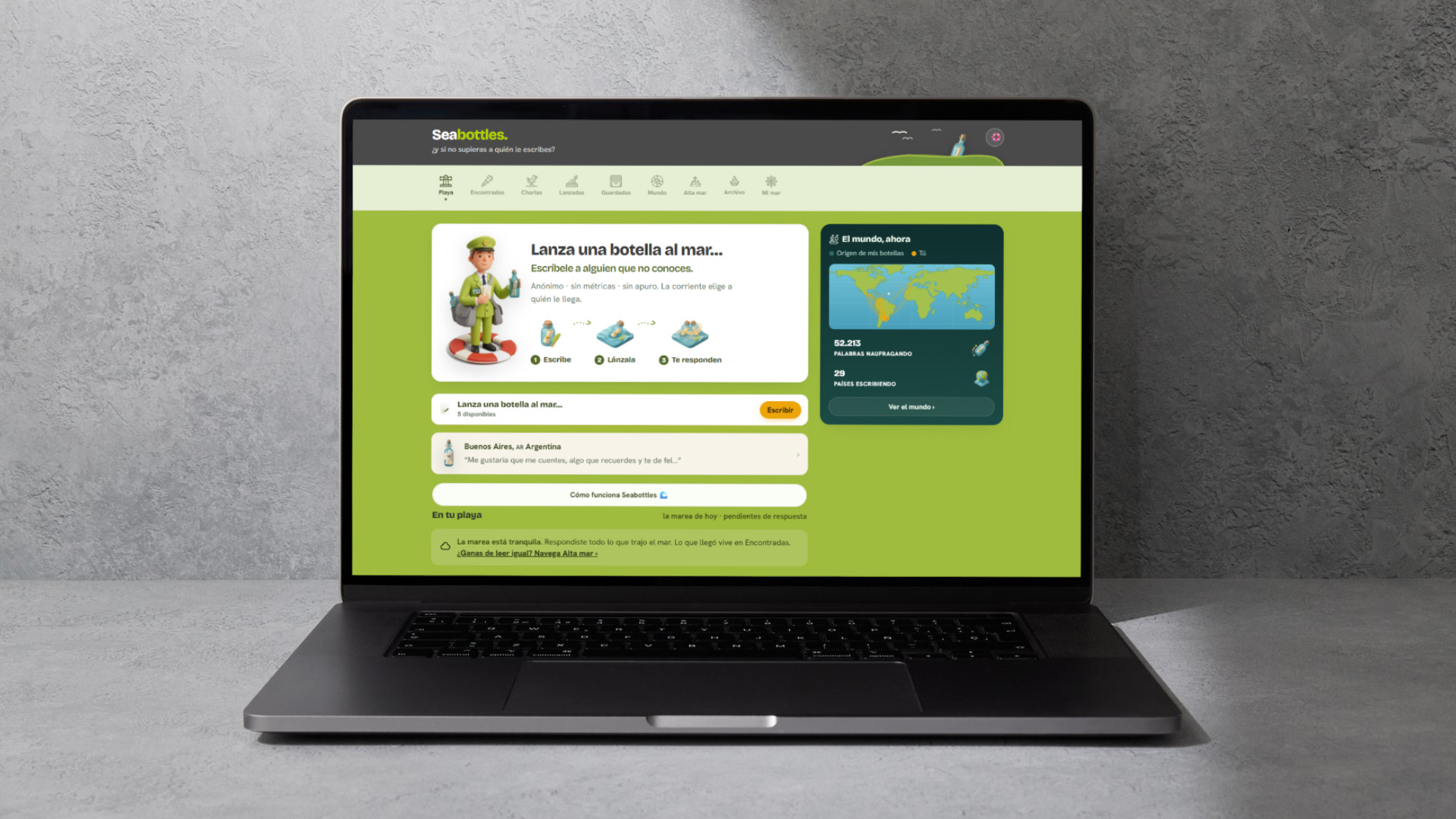
Eight screens from the real app on a computer: the same app, with the world always in view. The app is shown in Spanish.
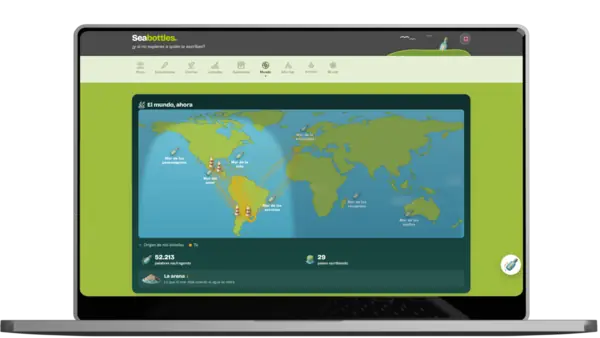 The world, right nowDownloadPNG · 887 KB
2400 × 1350 px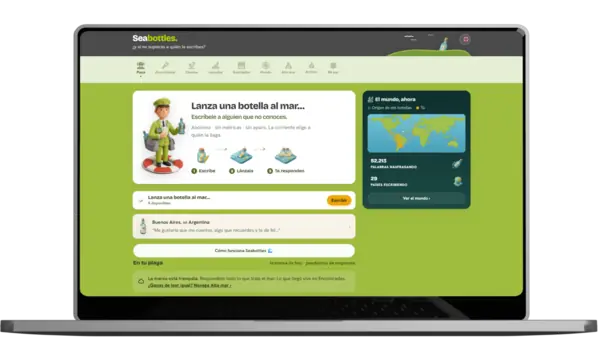 ShoreDownloadPNG · 749 KB
2400 × 1350 px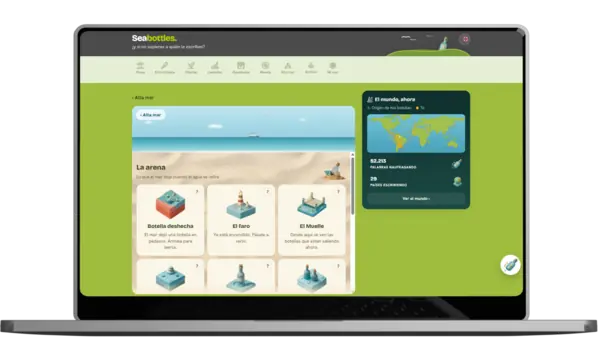 The SandDownloadPNG · 954 KB
2400 × 1350 px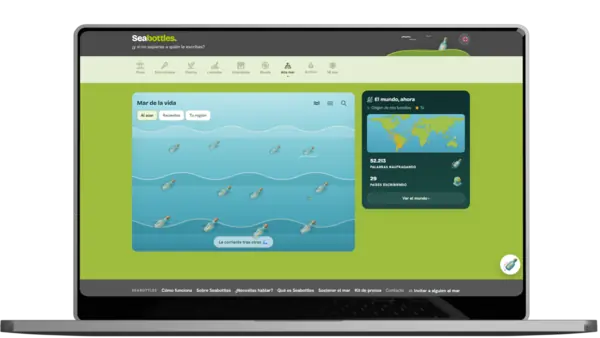 Open SeaDownloadPNG · 727 KB
2400 × 1350 px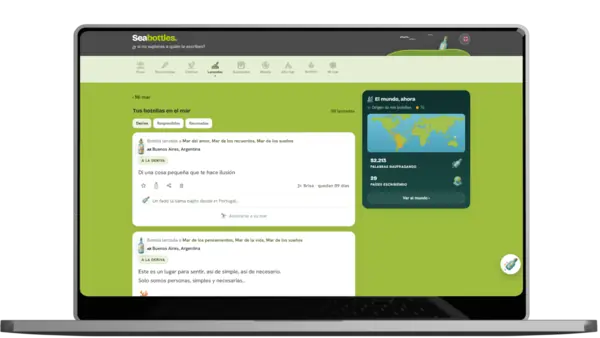 Your bottles at seaDownloadPNG · 635 KB
2400 × 1350 px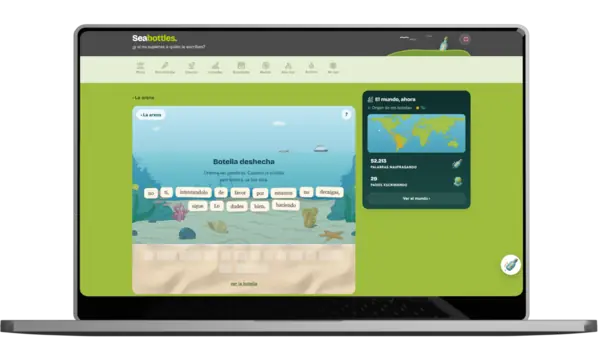 Bottle in piecesDownloadPNG · 973 KB
2400 × 1350 px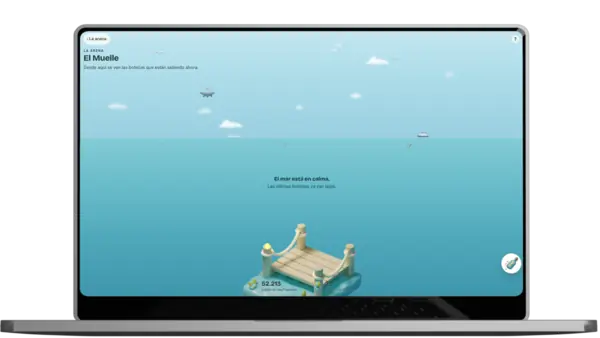 The PierDownloadPNG · 642 KB
2400 × 1350 px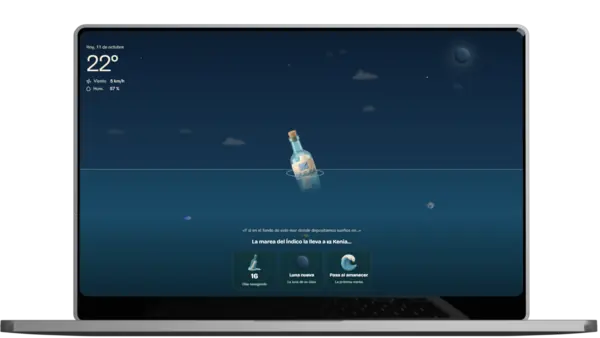 A bottle at sea, at nightDownloadPNG · 563 KB
2400 × 1350 px
Photos of the app in use
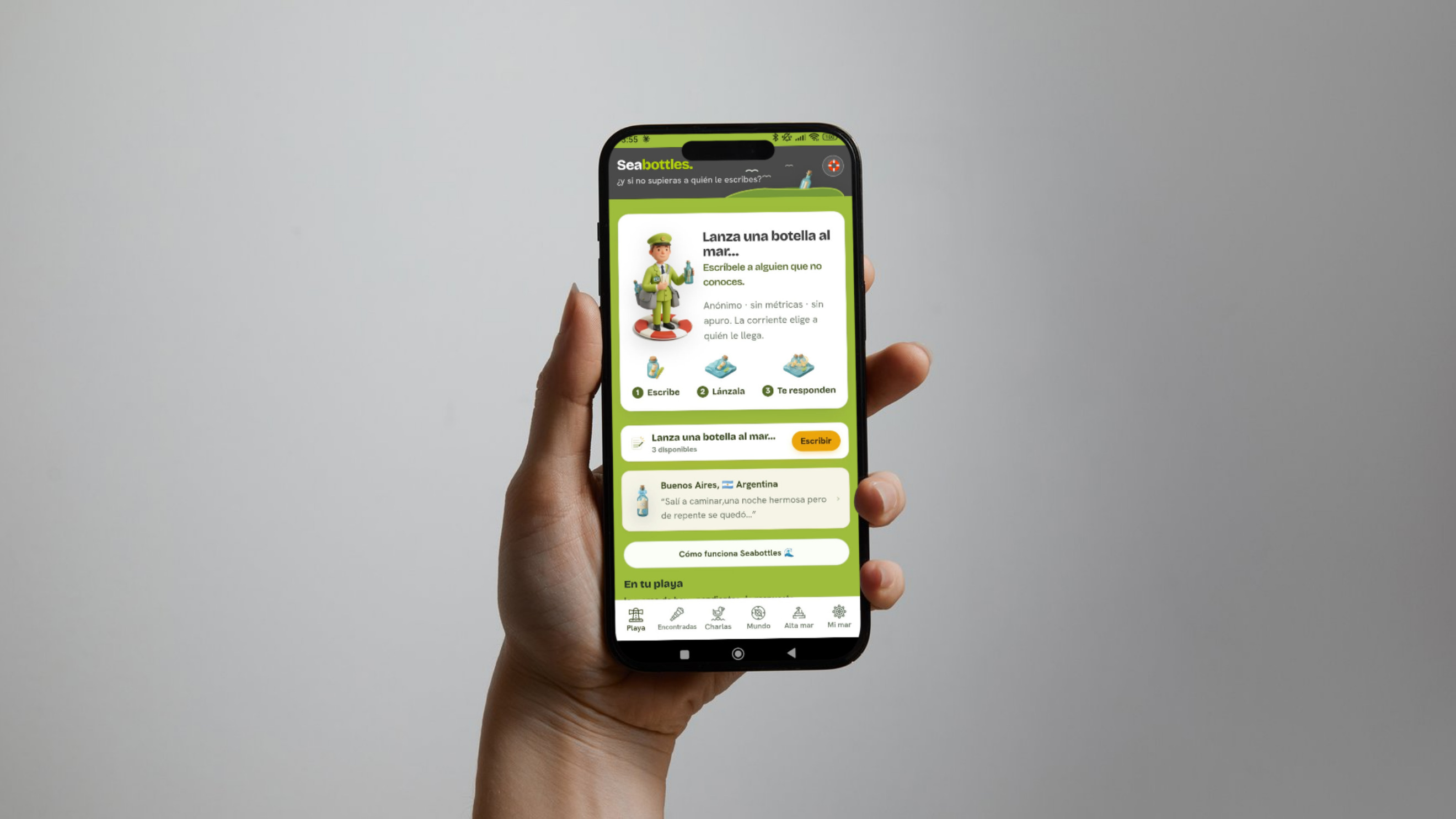
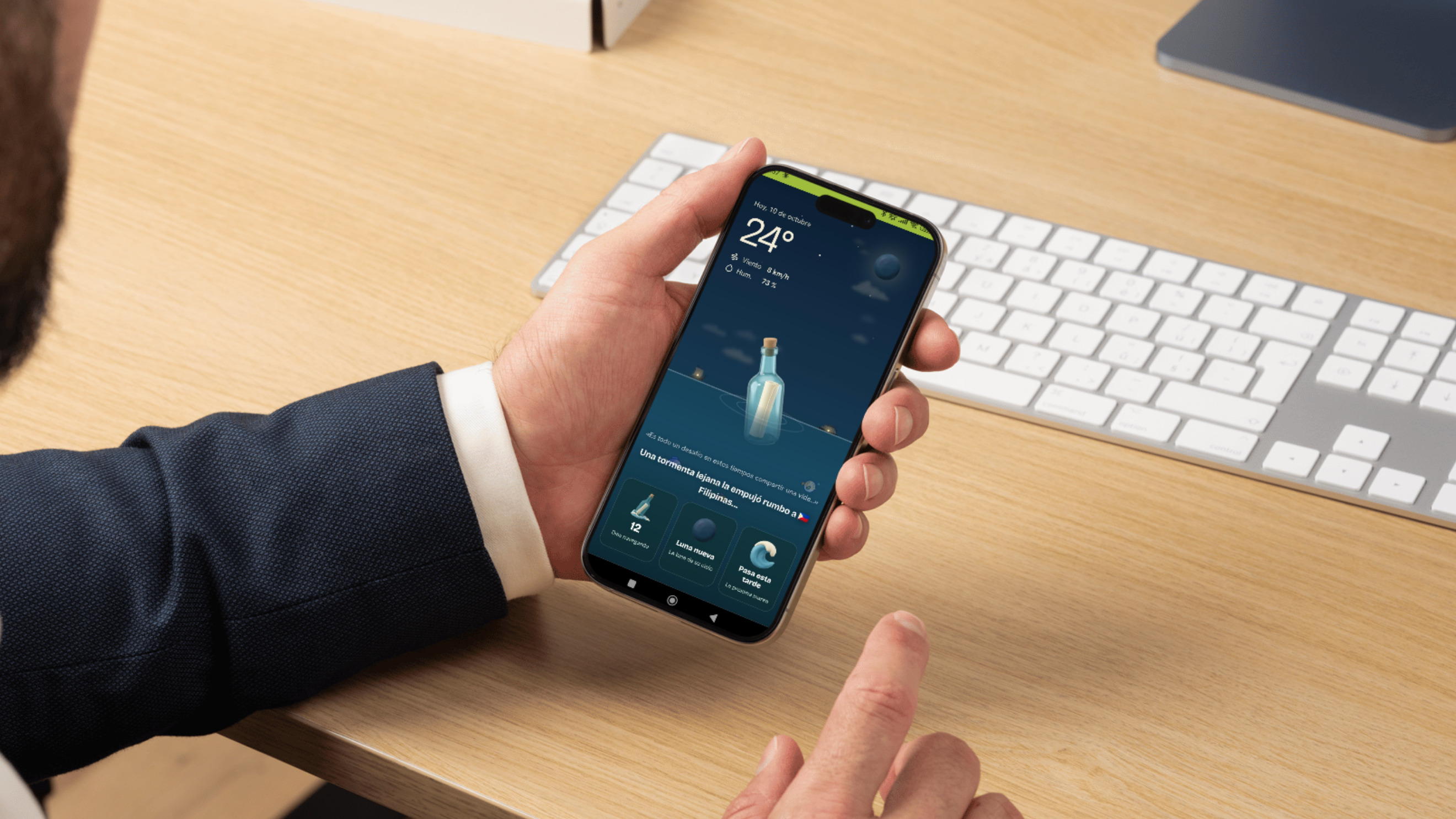
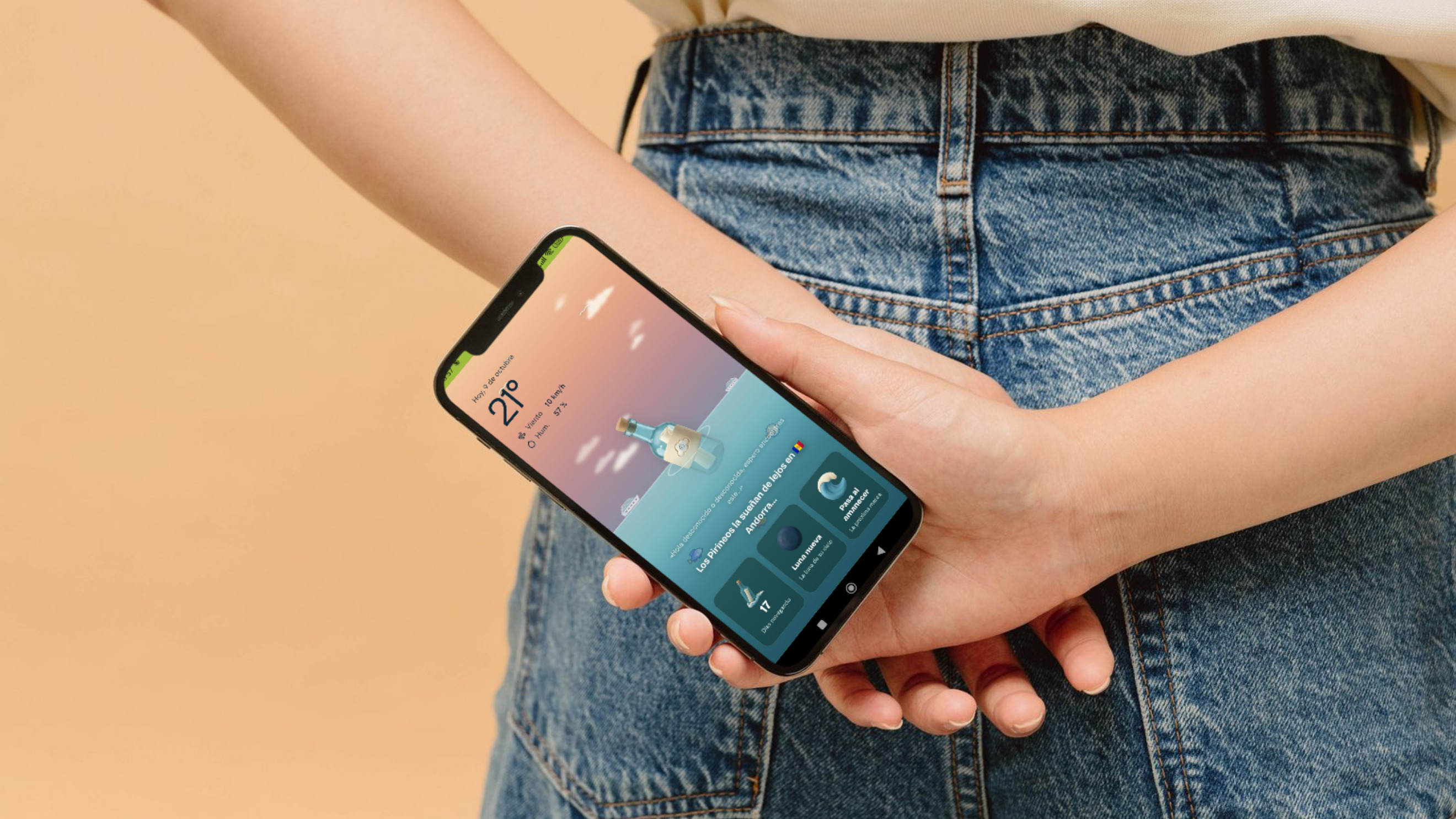
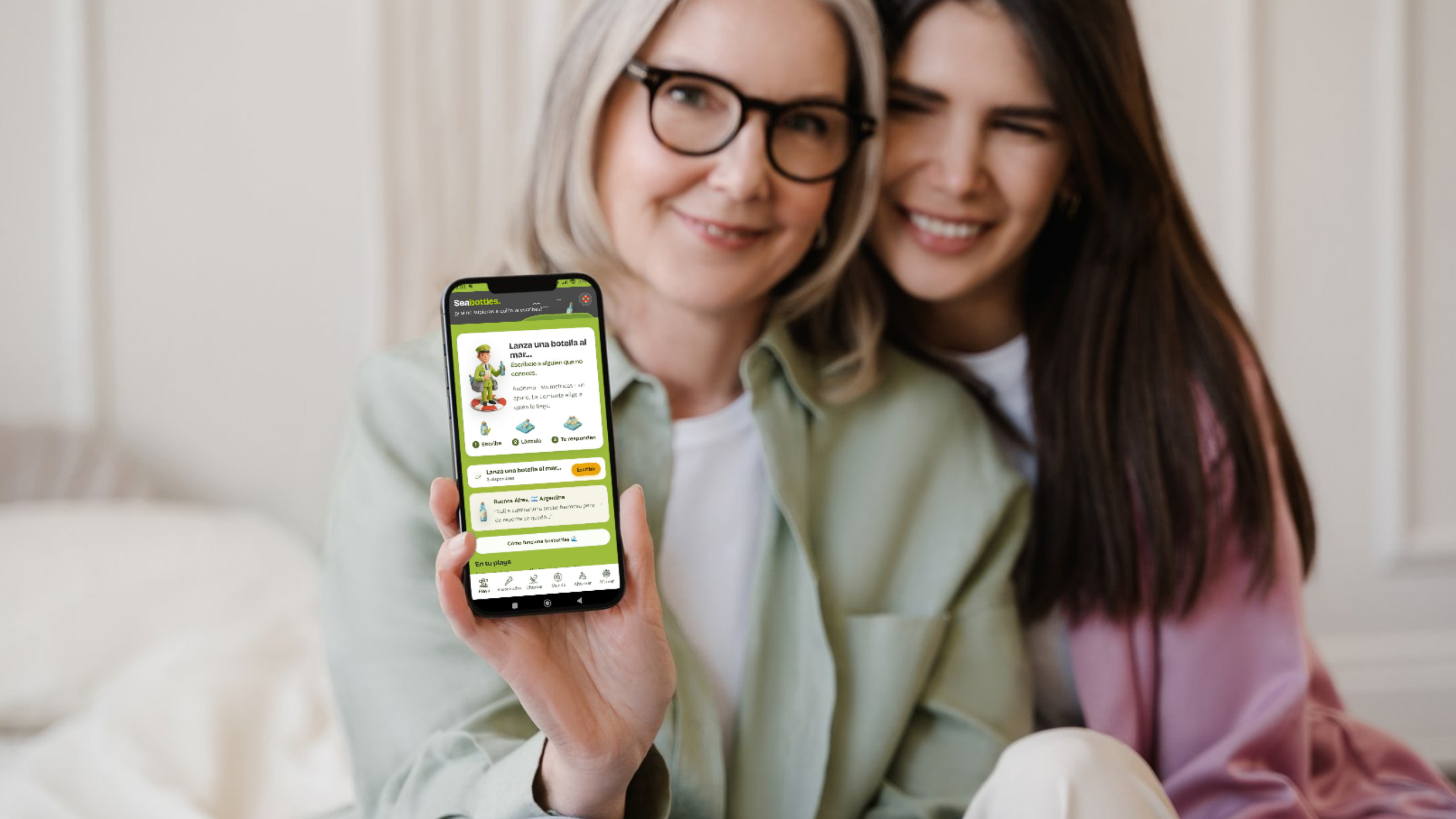
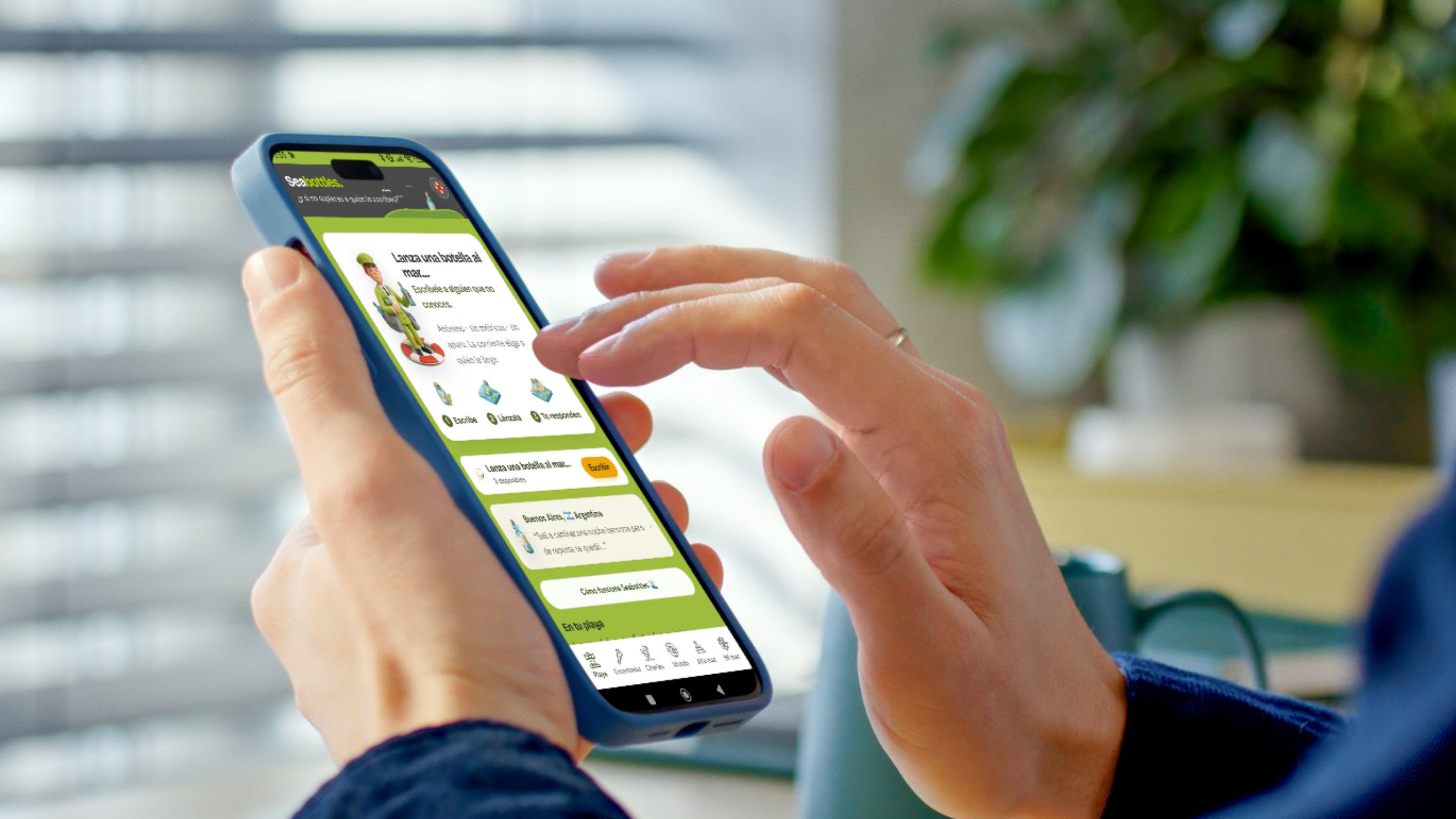
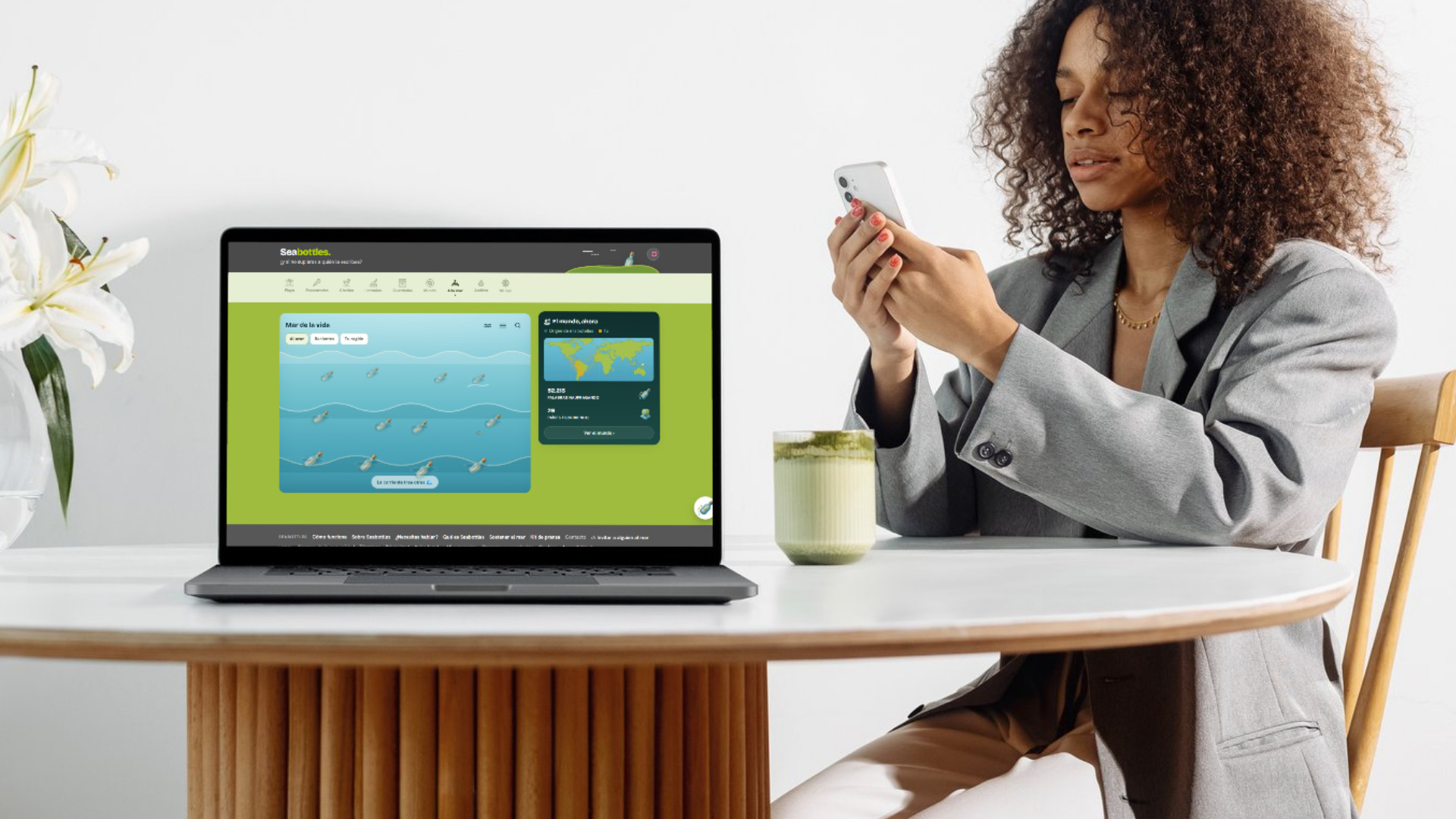
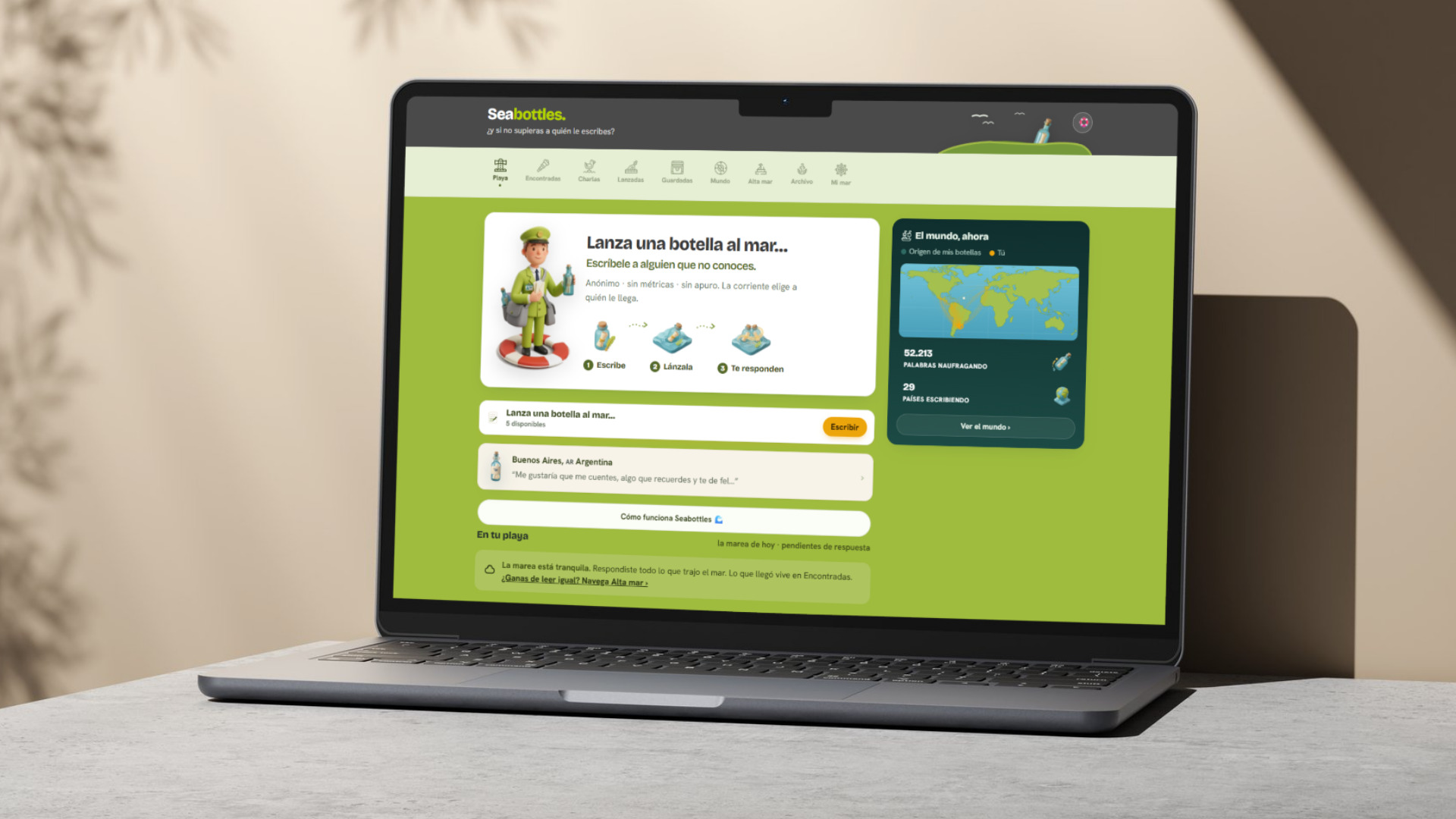
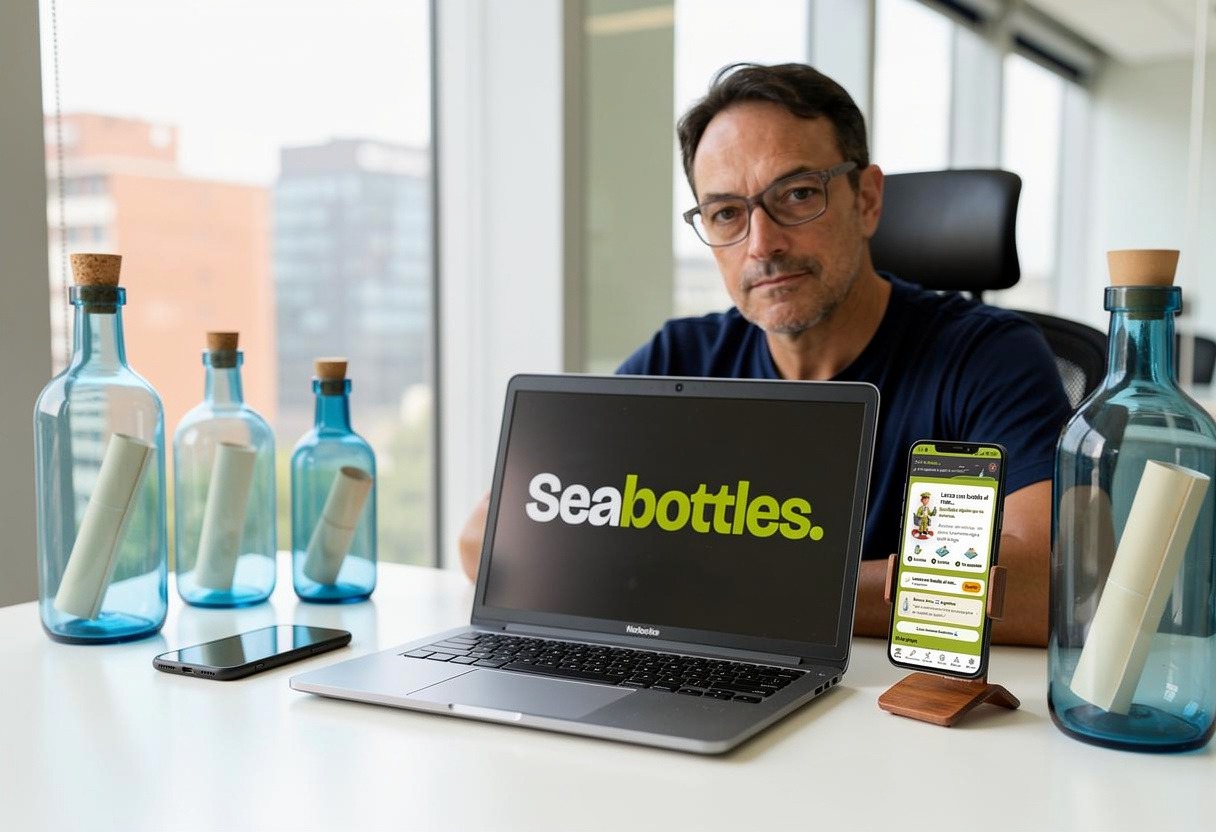
Seabottles on a phone and on a computer, in everyday settings.
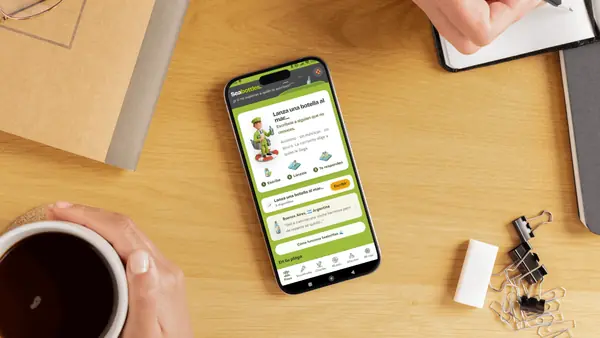 On a phone, on a deskDownloadJPG · 883 KB
2640 × 1485 px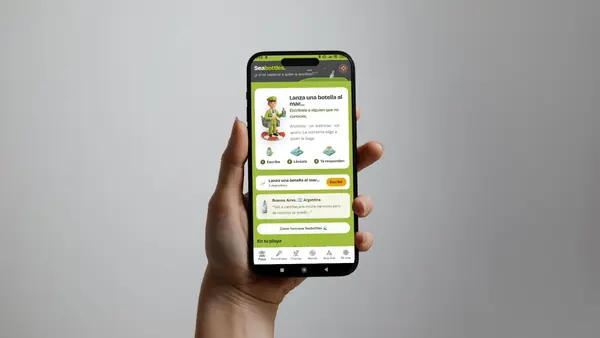 On a phone, in handDownloadJPG · 268 KB
2640 × 1485 px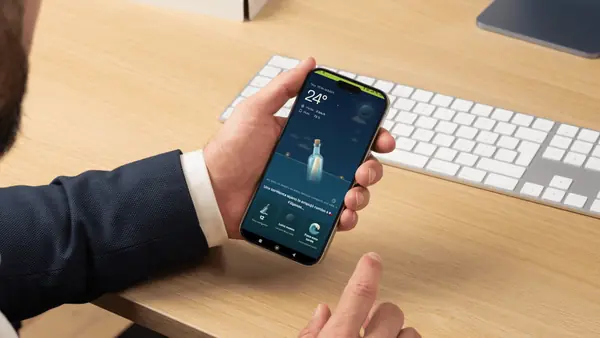 A bottle at sea, at nightDownloadJPG · 801 KB
2640 × 1485 px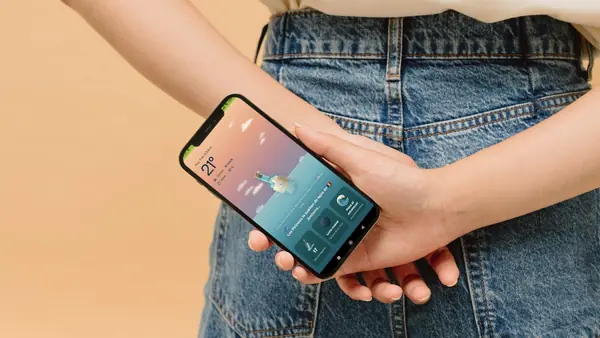 A bottle at sea, at sunsetDownloadJPG · 798 KB
2640 × 1485 px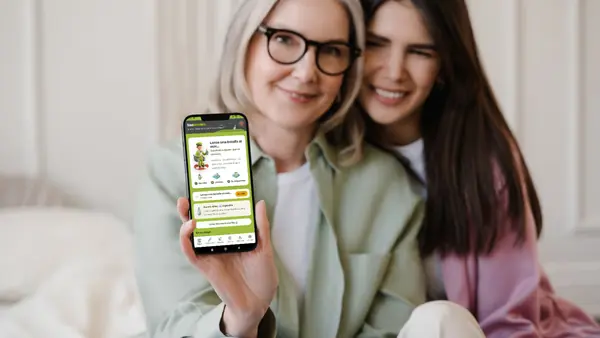 Two people with a phoneDownloadJPG · 412 KB
2640 × 1485 px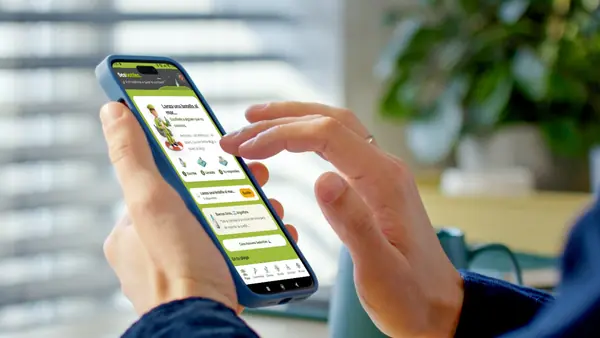 Writing on a phoneDownloadJPG · 525 KB
2640 × 1485 px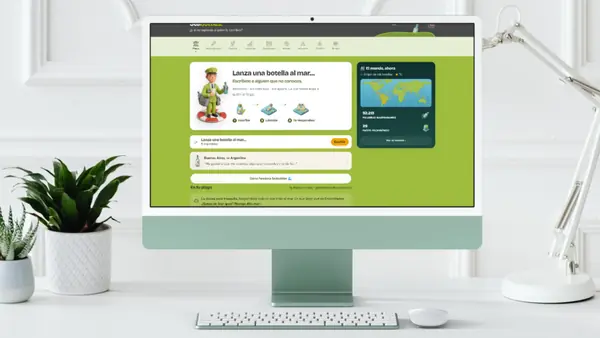 On a computer, on a deskDownloadJPG · 237 KB
1920 × 1080 px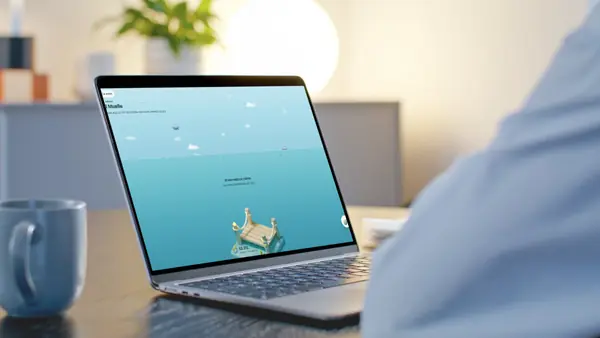 The Pier, on a computerDownloadJPG · 250 KB
1920 × 1080 px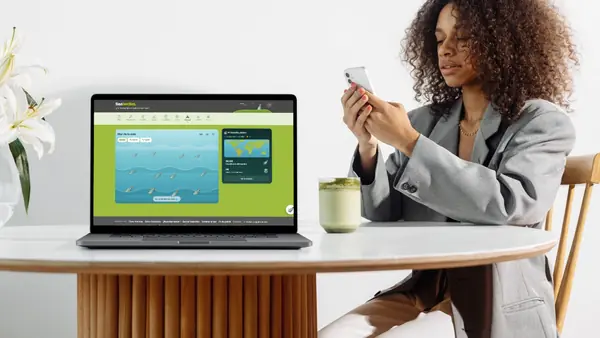 Open Sea, on a computerDownloadJPG · 374 KB
1920 × 1080 px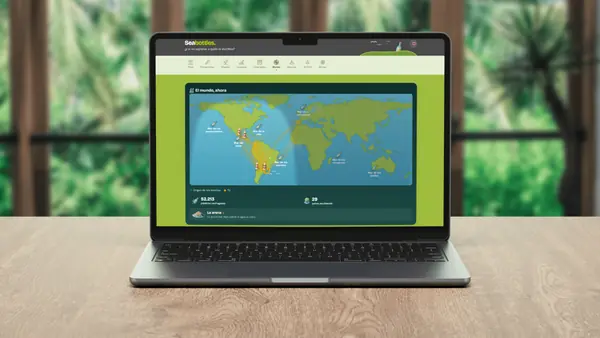 The world, on a computerDownloadJPG · 413 KB
1920 × 1080 px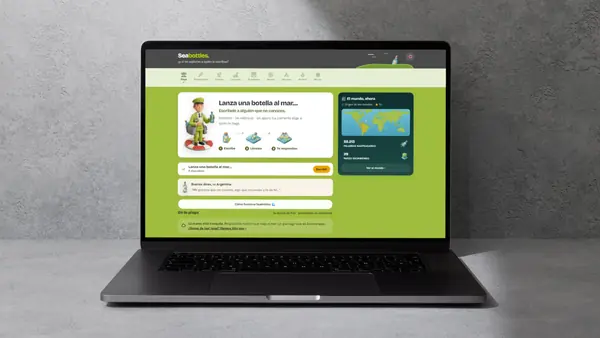 Shore, on a computer (gray background)DownloadJPG · 386 KB
1920 × 1080 px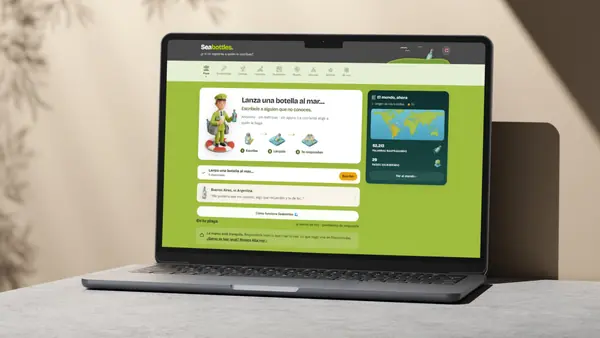 Shore, on a computer (warm background)DownloadJPG · 260 KB
1920 × 1080 px
The logo
Transparent PNGs. Please don’t recolor it, split “Sea” from “bottles.”, or add effects.
 For light backgroundsDownloadPNG · 31 KB
1039 × 157 px For dark backgroundsDownloadPNG · 26 KB
1039 × 157 px The app iconDownloadPNG · 138 KB
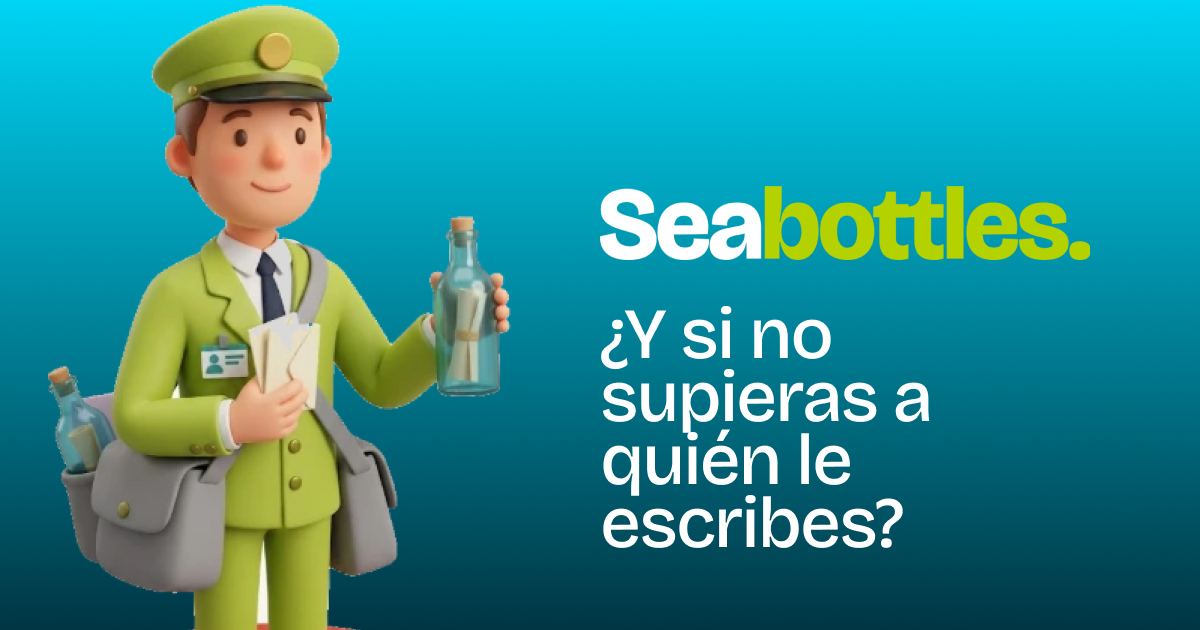
512 × 512 px The link-sharing imageDownloadPNG · 437 KB
1200 × 630 px


The portrait
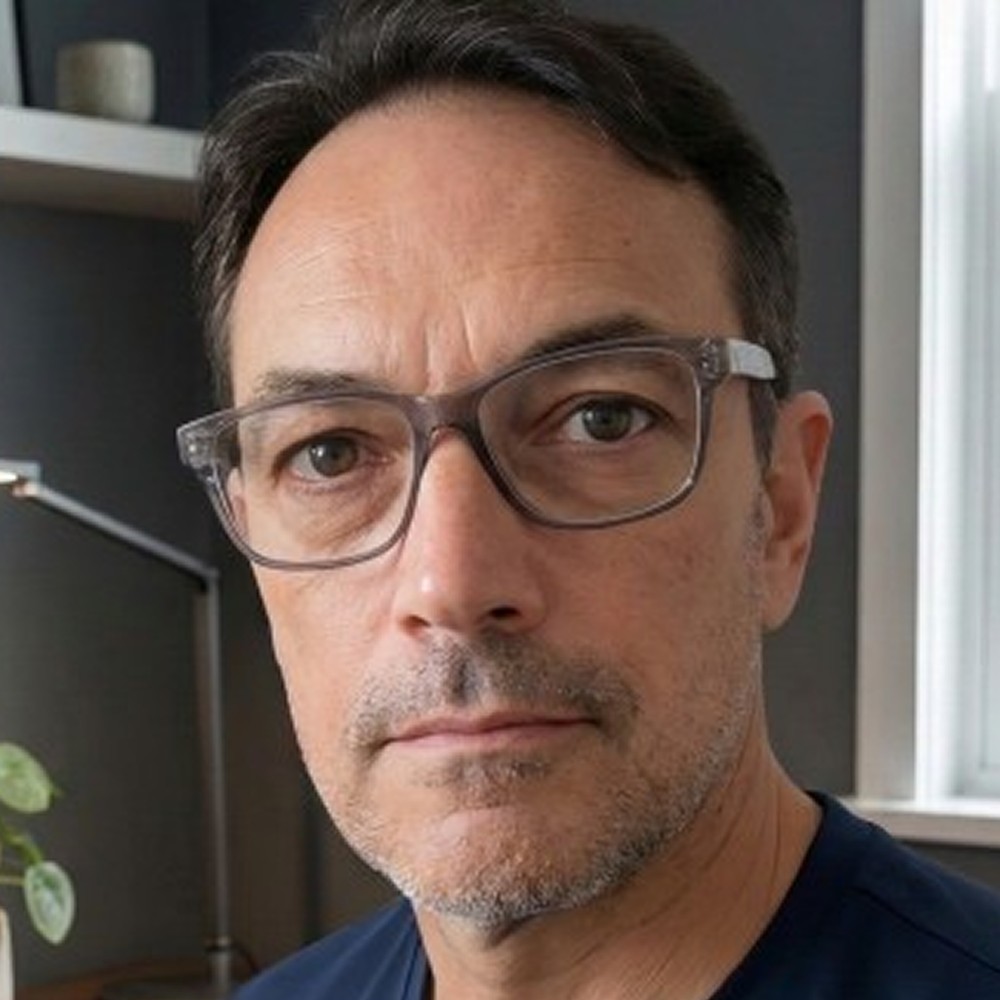
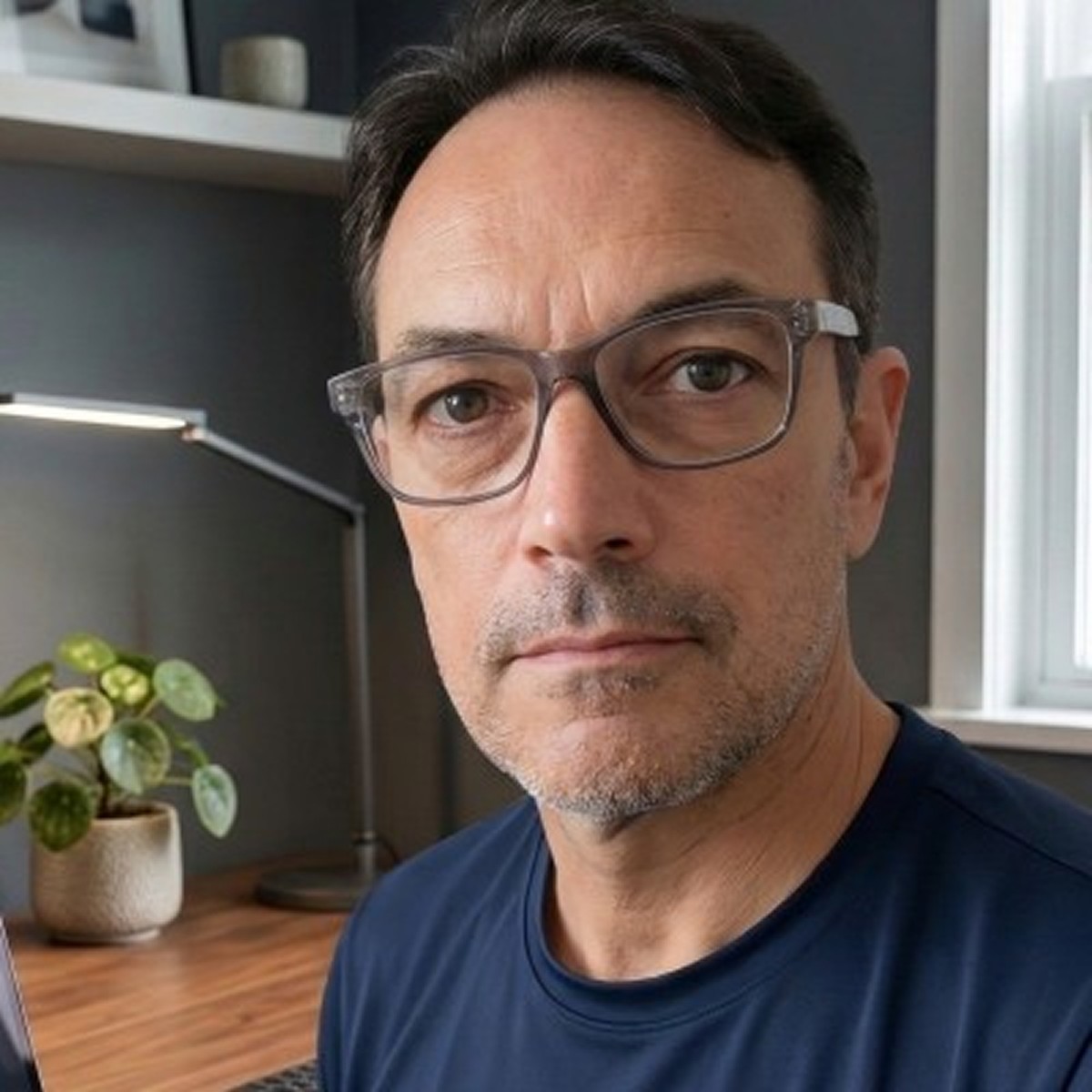
Fernando Debernardi, Seabottles’ creator.
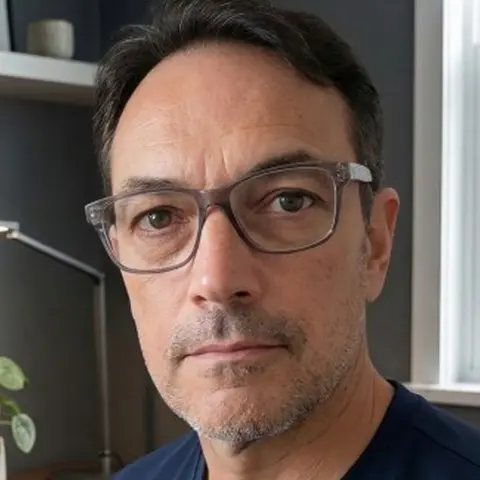 PortraitDownloadJPG · 118 KB
1000 × 1000 px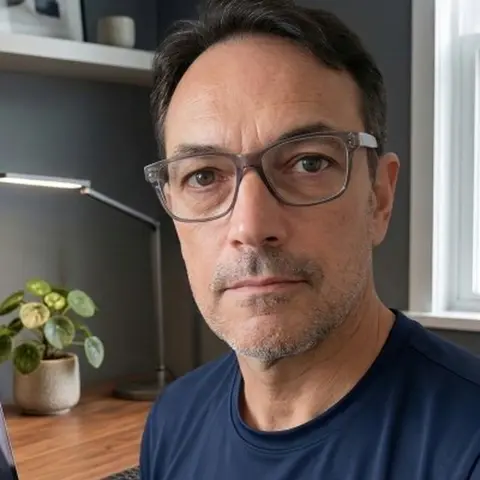 The original cropDownloadJPG · 163 KB
1200 × 1200 px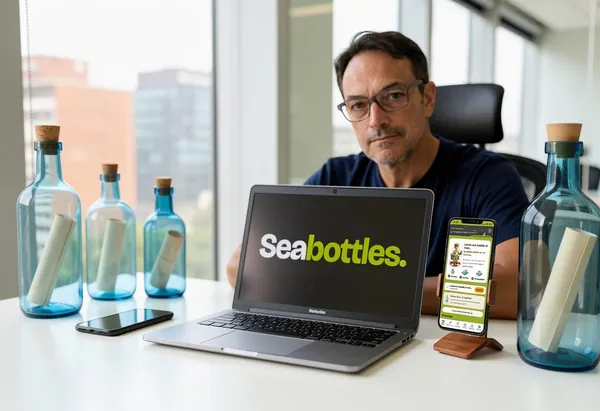 At his deskDownloadJPG · 159 KB
1216 × 832 px
If you need an image that isn't here (another screen, another size, another crop), just ask by email and we'll send it.
Questions journalists often ask
- Doesn't anonymity lead to abuse?
- It's the opposite of what you'd expect. An aggressive message needs a stage: an audience, numbers, someone you know to hurt. On Seabottles you write to a stranger, alone, with no one watching. There's automated and human moderation, one-tap reporting even without an account, and zero tolerance when it comes to minors. In the original era, fewer than 2% of bottles were ever reported.
- How is age verified?
- Everyone enters their year of birth on the way in, and anyone can flag a possible minor right away. A flag limits the account instantly while a person reviews it. If it's confirmed, the account is closed and its data is deleted.
- How is it funded?
- It has no funding. One person keeps it running, with a page for voluntary contributions that come with no rewards. No ads, no data sales, and no paid plans that change the experience.
- Why isn't it in the app stores?
- Because it doesn't need to be. It's an installable web app (a PWA). You open a link and you're in within ten seconds, with no email or phone number required.
- What do people write about?
- Love, loneliness, the meaning of life, hope, nostalgia. The things you don't tell anyone who knows you.
- How did he rebuild it without knowing how to code?
- By directing AI assistants for months: specifying, reviewing, testing, and deciding. He played the role of a project lead, with artificial intelligence as his development team.
Contact
Fernando Debernardi — hola@seabottles.org — interviews in Spanish (Argentina, GMT-3).
Materials in this kit: free for press use, with credit to Seabottles.
Last updated: October 10, 2026.